A wave of low-quality, AI-generated content is spreading across social media, prompting worry among users and creators who say it is making online spaces feel less authentic. The trend, often called AI “slop,” includes grainy clips of unlikely events — such as dogs rescuing children from bears, rabbits bouncing on trampolines or Christmas markets set outside Buckingham Palace.
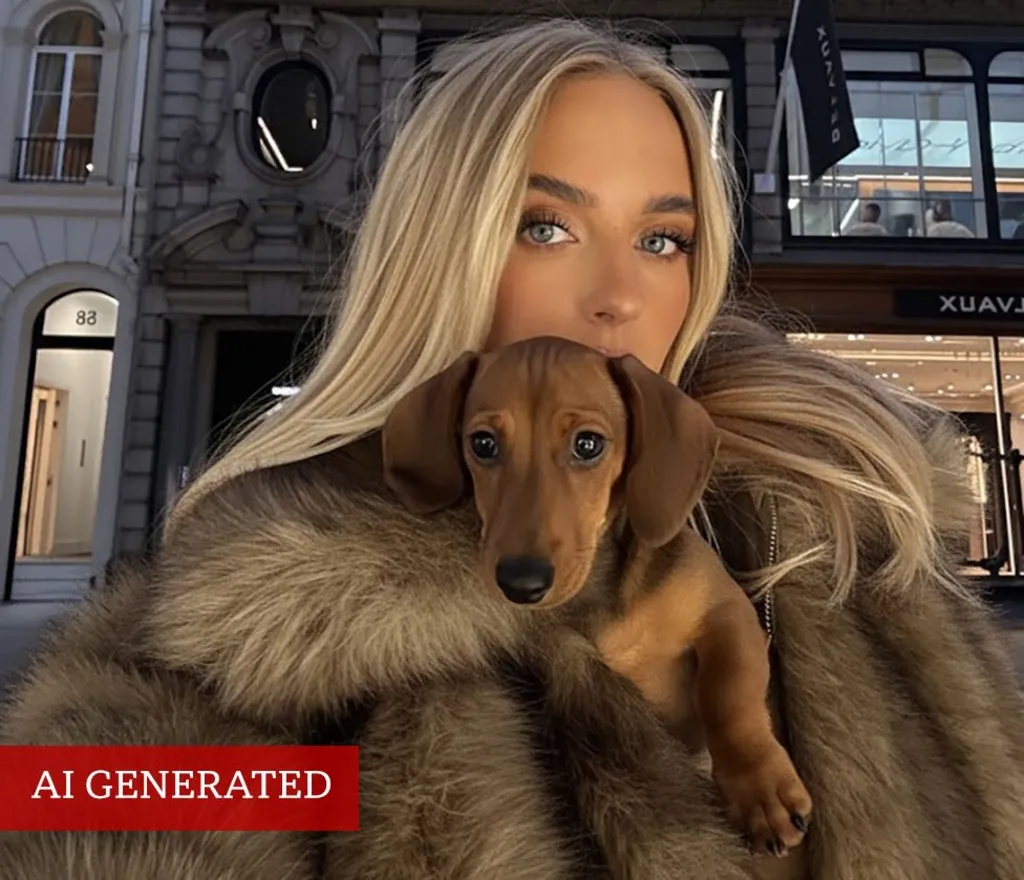
Much of the content is easily identifiable as fake, but its volume has raised concerns that it is drowning out real posts. At the same time, a new trend of adding AI-generated animals to personal photos has led some influencers to embrace the technology.
Influencer Zoe Ilana Hill joined the trend after seeing others use AI to insert animals into their images. The 26-year-old said she wanted to work with the technology rather than view it as a threat. Hill, who has 82,000 followers, said platforms such as Facebook, Instagram and TikTok seem to be “pushing” AI content, and she sees AI slop on her own feed. Even so, she believed her AI-generated deer photo would resonate, calling the animals “seasonal” and rare to see in person.
Her post drew more than 20,000 likes. Hill said she discloses when AI is used, noting Instagram’s tag that marks an image as AI-created. “I don’t think it’s fair for people to think that something’s real when it’s not,” she said.
Not all creators are transparent. A German influencer with 900,000 followers drew confusion after posting a photo featuring dozens of AI-generated dalmatians. Some users questioned whether the animals were real, while others raised concerns about shelter dogs who need homes.
Other influencers, including Finland’s Clara Sandell, have joined the trend using animals that reflect their personalities. Sandell said she would participate in future AI trends if the use of AI is clear to viewers.
Social media consultant Matt Navarra said AI will “dominate” digital platforms in 2026, enabling creators to easily produce glossy, imaginative images. He said some influencers are doubling down on authenticity to stand out in what he calls a “sea of AI-generated content.”
But others worry the trend erodes trust. Melbourne tattoo artist Maddi Mathers, who commented “love you but not the AI” under an influencer’s animal post, said she felt “dumb” after first believing the fake image was real. She believes AI content can harm creators’ credibility if audiences can’t tell what is genuine.
Creative health scientist Katina Bajaj said AI slop is part of the creative process but warned that the speed and volume of AI content make it difficult for people to fully process what they consume. She said the solution is not to ban AI but to “prioritize creative health” over constant output.
Meta does not require creators to label AI-altered images on Instagram, though its systems may apply an AI-generated label automatically. TikTok has introduced a “Manage Topics” tool that lets users choose whether to see more or less AI-generated content.
Not all attempts at the trend succeed. U.S. content creator Emily Manns said she purchased several AI apps to try the animal-photo trend, only to receive distorted results — including a rodent-like creature, an extra finger and a warped face. “I deleted it instantly,” she said.
#Deer #Dalmatians #Animal #Trend #Blurs #Reality #Online