Actors in the United Kingdom have voted overwhelmingly to refuse digital scanning on set, escalating pressure on film and television producers to strengthen protections against the misuse of artificial intelligence.
Equity, the UK’s largest acting union, announced the results of an indicative industrial action ballot on Thursday. With turnout exceeding 75%, more than 99% of respondents said they would be prepared to refuse a digital scan during production.
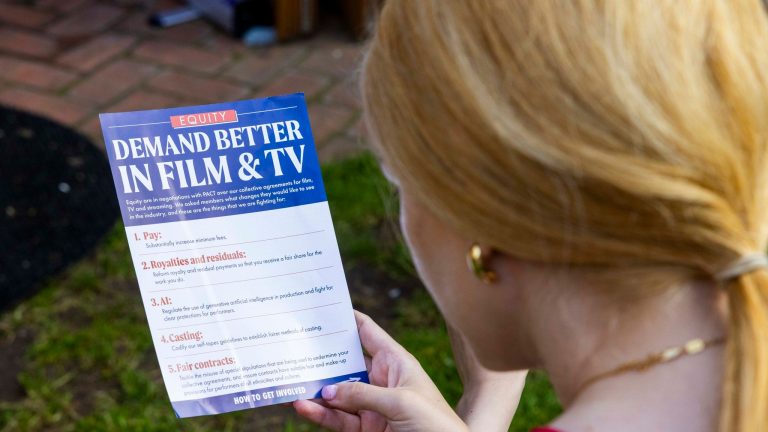
The vote reflects growing concern among performers that their voices, likenesses and recorded performances are being used without explicit consent, particularly to train AI systems or create digital replicas. Equity is calling for greater transparency, fair compensation and enforceable industry standards governing AI use.
Announcing the results at Equity’s headquarters in Covent Garden, general secretary Paul Fleming described artificial intelligence as a “generation-defining challenge” for the industry. He said the scale of support demonstrated that performers are willing to disrupt production unless stronger protections are secured.
Fleming noted that more than 90% of UK film and television productions operate under agreements covered by the negotiations. He urged producers and the Producers Alliance for Cinema and Television, known as Pact, to return to talks with a renewed commitment to safeguarding performers’ rights.
Negotiations between Equity and Pact have been ongoing for 18 months. While progress has reportedly been made on protections around digital replicas and synthetic performers, the use of performance data and scans to train AI systems remains a major point of contention.
The ballot follows unrest in the United States in 2023, when members of the Screen Actors Guild‐American Federation of Television and Radio Artists went on strike for four months over issues including AI protections.
Fleming said industrial action was not inevitable, but warned that failure to reach an agreement could lead to a formal statutory ballot. As an indicative vote, the result is not legally binding but serves as a signal of the union’s readiness to act.
Pact said most productions do not scan performers and that scanning, when used, is typically for editing or special effects purposes. The organization added that it has offered AI terms consistent with those in place internationally, while Equity is seeking broader future-facing protections.
Actors have also spoken publicly about their concerns. Laurence Olivier Award winner Bertie Carvel said digital scanning creates discomfort and uncertainty over how a performer’s digital likeness may be used. Actor Riz Ahmed said AI can produce content but lacks the human struggle that gives creative work meaning.
The vote marks a significant moment for the UK film and television industry as debates over AI, consent and creative ownership continue to intensify.
#Actors #Vote #Refuse #OnSet #Digital #Scans #Fears