Hollywood studios and creative organizations are pushing back against a new artificial intelligence video model from ByteDance, arguing that the tool enables widespread copyright infringement.
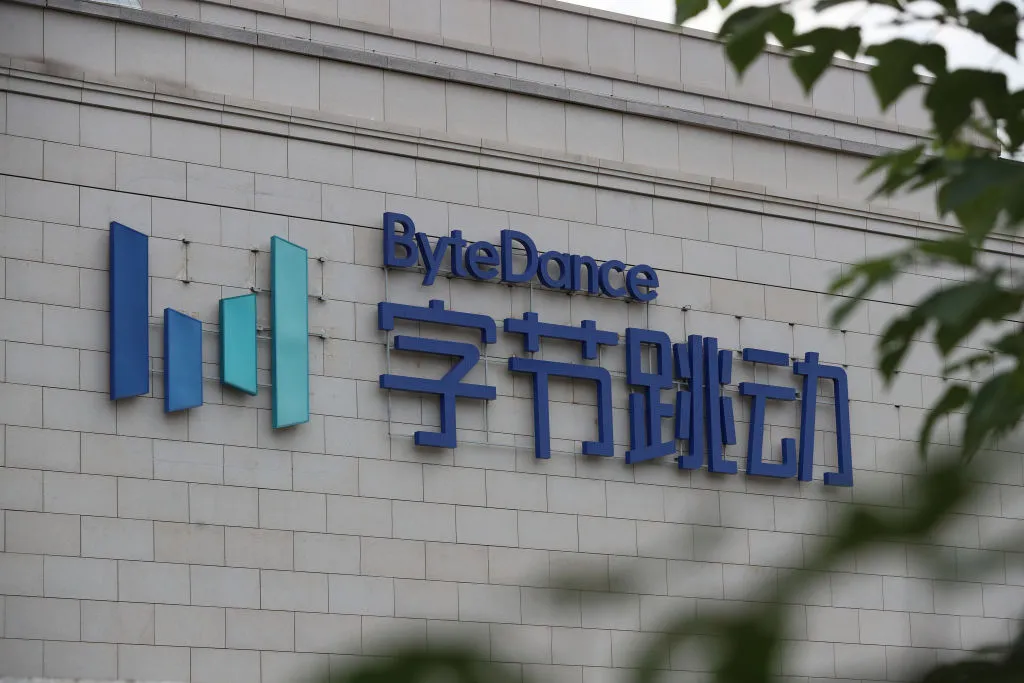
The Chinese technology company, which recently finalized a deal to sell TikTok’s U.S. operations while retaining a stake in the new joint venture, launched Seedance 2.0 earlier this week. According to the Wall Street Journal, the updated model is currently available to Chinese users through ByteDance’s Jianying app and is expected to roll out globally via the CapCut app.
Seedance 2.0 allows users to generate short videos, currently up to 15 seconds long, by entering text prompts. Similar to tools such as OpenAI’s Sora, the model has drawn criticism over what industry groups describe as insufficient safeguards against creating content that uses the likeness of real people or protected intellectual property.
Concerns escalated after a user on X shared a video depicting actors Tom Cruise and Brad Pitt in a fictional fight scene, claiming it was created using a short prompt in Seedance 2.0. Screenwriter Rhett Reese, known for his work on “Deadpool,” responded that the technology signaled a grim outlook for creators.
The Motion Picture Association soon issued a statement from its chief executive, Charles Rivkin, calling on ByteDance to halt the service.
“In a single day, the Chinese AI service Seedance 2.0 has engaged in unauthorized use of U.S. copyrighted works on a massive scale,” Rivkin said. He accused ByteDance of launching the product without meaningful protections against infringement and of disregarding copyright law that supports millions of U.S. jobs.
The Human Artistry Campaign, an initiative backed by Hollywood unions and trade groups, condemned Seedance 2.0 as an attack on creators worldwide. The actors’ union SAG-AFTRA said it stands with studios in opposing what it called blatant infringement enabled by the new model.
Seedance-generated videos have reportedly included characters owned by Disney, including Spider-Man, Darth Vader and Grogu, commonly known as Baby Yoda. Axios reported that Disney has sent a cease-and-desist letter accusing ByteDance of reproducing and distributing derivative works featuring its characters without authorization.
Disney has previously raised similar concerns with other technology companies, including Google, but has also pursued licensed partnerships. The company has signed a multiyear licensing agreement with OpenAI.
According to Variety, Paramount has also sent ByteDance a cease-and-desist letter. The studio said Seedance platforms were producing content that closely resembled its films and television shows, both visually and audibly.
TechCrunch reported that it has contacted ByteDance for comment.
#Hollywood #Groups #Accuse #ByteDance #Video #Tool #Copyright #Infringement