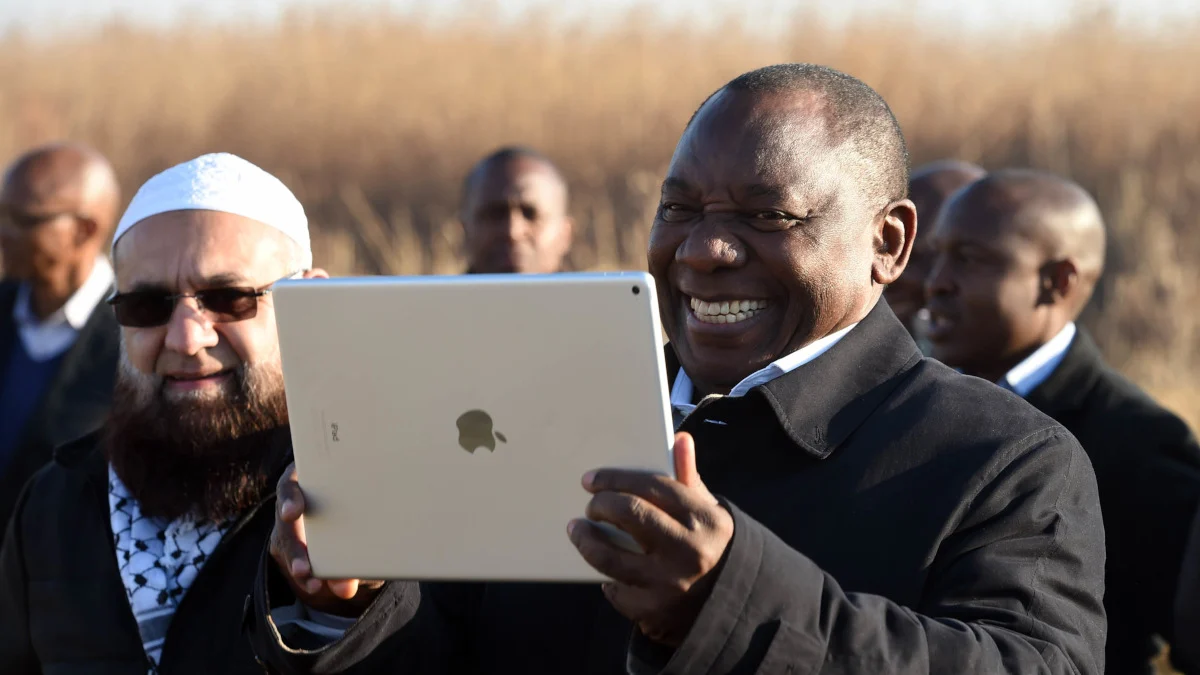
South Africa will deploy advanced technology, including artificial intelligence and data analytics, to crack down on counterfeit and illicit goods, President Cyril Ramaphosa said in his 2026 State of the Nation address.
“We are establishing a National Illicit Economy Disruption Programme that brings together key state agencies and other stakeholders, including the private sector,” Ramaphosa said. “Through the effective use of data analytics and AI, we will be targeting high-risk sectors such as tobacco, fuel, alcohol and other counterfeit products.”
The announcement follows growing concern over the impact of illicit trade on South Africa’s economy. Earlier this year, British American Tobacco said it would close its only cigarette manufacturing plant in the country, citing the sustained growth of the illegal cigarette market.
The facility had been operating at about 35% capacity and was no longer viable. The closure will result in the loss of 230 direct jobs, with broader consequences expected across the value chain affecting farmers, distributors and retailers. Industry estimates suggest up to 35,000 livelihoods could be indirectly impacted.
Busi Mavuso, chief executive of Business Leadership South Africa, described the closure as a self-inflicted jobs crisis driven by policy and enforcement failures.
She said the situation worsened during the COVID-19 pandemic, when bans on legal cigarette and alcohol sales were introduced and later ruled unconstitutional, while enforcement capacity was diverted elsewhere. This allowed illegal distribution networks to expand and persist.
Subsequent increases in excise duties on legal products widened price gaps that illicit operators exploited. Illegal cigarette packs are now sold for less than the combined excise duty and value-added tax applied to legitimate products, bypassing health warnings and age restrictions. The National Treasury estimates the state loses about 30 billion rand annually in forgone tax revenue as a result.
Mavuso warned that proposed regulatory changes could further damage legitimate industries. Parliament is currently considering the Control of Tobacco Products and Electronic Delivery Systems Bill, which includes measures such as plain packaging. Critics, including BAT and public policy researchers, argue that some provisions could unintentionally strengthen criminal networks by making legal products harder to differentiate from illicit ones.
Mavuso said the challenge extends well beyond tobacco. Illicit alcohol sales have increased by about 55% by volume since 2017, with one in five alcoholic drinks now estimated to come from illegal sources, according to the Drinks Federation of South Africa.
Counterfeit pharmaceuticals, electronics, cosmetics, clothing and food products are also widespread. The Consumer Goods Council of South Africa estimates that the illicit economy now accounts for roughly 10% of gross domestic product.
“These illegal operations feed organized criminal networks involved in illegal mining, construction-related extortion and other serious crimes,” Mavuso said, adding that the profits fund activities ranging from cash-in-transit robberies to more sophisticated criminal enterprises.
She said industry groups have submitted multiple proposals to address illicit trade, but many have remained unimplemented for years.
Mavuso called for urgent action, including increased resources for the South African Revenue Service to strengthen its illicit trade task teams, specialized police units trained to investigate organized crime, and prioritization of cases by the National Prosecuting Authority.
“Every month of delay means more factories operating below viable capacity, more jobs at risk and deeper entrenchment of criminal networks,” she said.
#Ramaphosa #South #Africa #Combat #Illicit #Trade