A South African computer scientist has been appointed to the United Nations’ first global scientific body dedicated entirely to artificial intelligence, ensuring that African perspectives are represented in the international governance of a technology reshaping economies and societies worldwide.
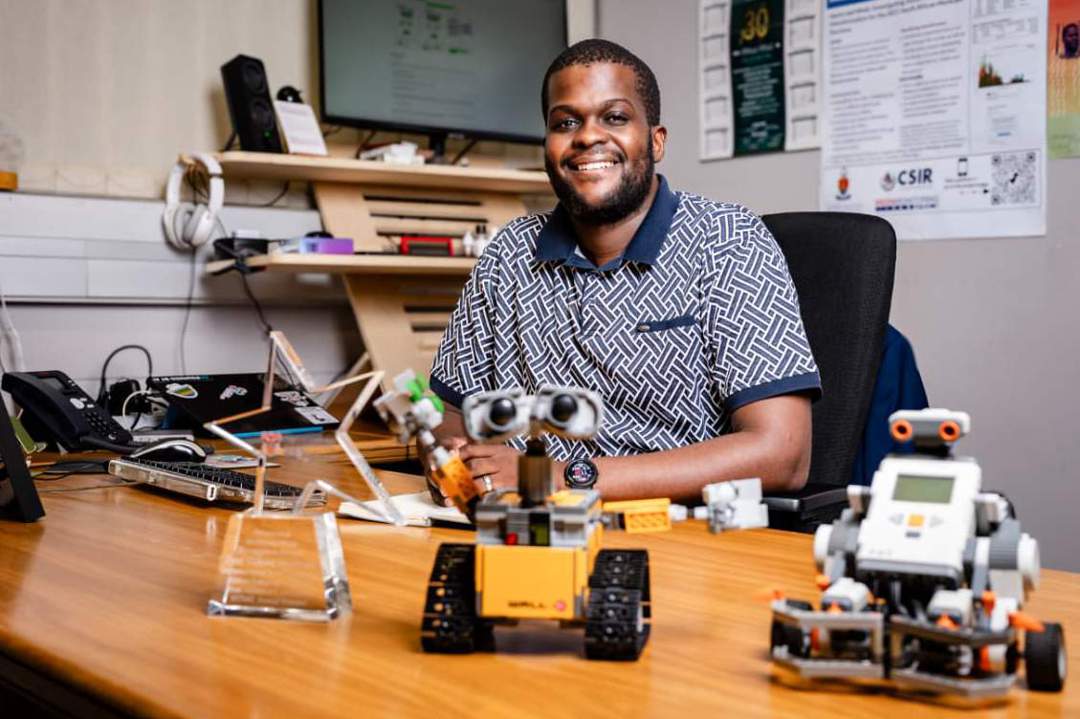
Prof. Vukosi Marivate, director of the African Institute for Data Science and Artificial Intelligence at the University of Pretoria and the ABSA-UP Chair of Data Science, has been appointed as a member of the UN Independent International Scientific Panel on Artificial Intelligence.
The UN General Assembly established the panel in August 2025 and appointed the 40 members following a Feb. 4, 2026 announcement, with terms running from Feb. 12, 2026 through Feb. 11, 2029. Members were selected from more than 2,600 applicants across 140 countries and represent a wide range of expertise including AI technology, ethics, policy, infrastructure and safety.
The South African government described the panel as “the first global, fully independent scientific body dedicated to closing the AI knowledge gap and assessing the real-world impacts of artificial intelligence across economies and societies,” adding that it will play a critical role in helping the global community distinguish fact from fiction.
Marivate said the appointment was an opportunity to ensure that African perspectives were included in global conversations about the future of AI. He noted that the challenge of representing African languages in AI systems is not merely technical but socio-technical in nature. “South Africa has 12 official languages, but the question is how many of them have been properly digitised and how much research capacity exists to support that work,” he said.
Marivate also raised concerns about the labor conditions underpinning AI development. “Some of that labour is happening on the African continent, often in places without strong labour protections. That is something we should not accept,” he said, adding that stronger governance frameworks and public understanding would be necessary to manage emerging risks. “Generative AI technologies can be incredibly useful, and as a computer scientist I use them almost every day in my work, but they can also be misused by those who want to sow division or spread misinformation.”
The panel’s findings will feed directly into the UN’s Global Dialogue on AI Governance, with the first report due in Geneva in July 2026.
Marivate is also a co-founder of Lelapa AI, a startup focused on building AI technologies for Africans by Africans, and helped establish Deep Learning Indaba, a machine learning and AI conference that supports and connects African researchers and developers.
University of Pretoria Vice-Chancellor Francis Petersen said Marivate’s appointment reflects the institution’s sustained leadership in AI and data science. “His work reflects our commitment to advancing responsible, inclusive and contextually relevant AI research that contributes to both global knowledge and Africa’s development,” Petersen said.
#University #Pretoria #Professor #Appointed #UNs #Global #Scientific #Panel