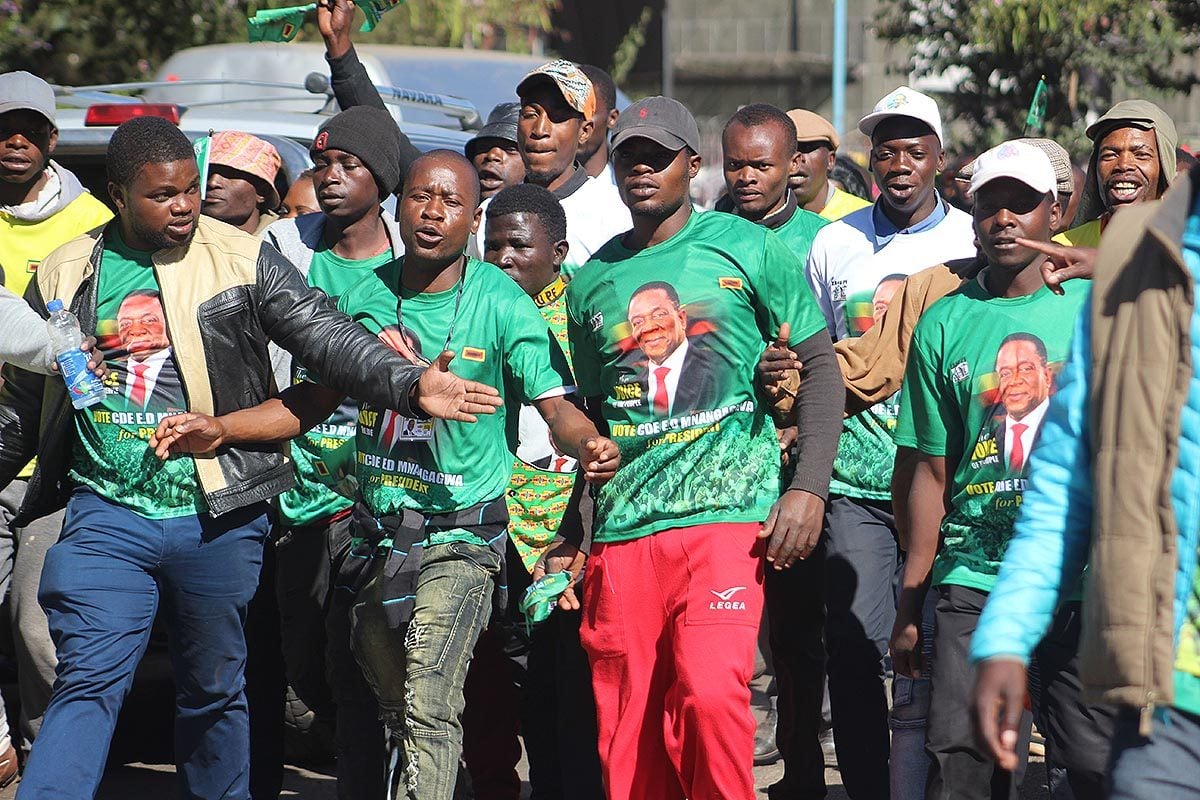
Zanu PF Forces Villagers To Support ED2030 Agenda
By A Correspondent- Zanu PF, is facing renewed accusations of coercing villagers and mobilising support through questionable means as it pushes for constitutional changes linked to the controversial “ED2030” agenda.
Reports from across the country suggest that groups of villagers are being pressured to sign pre-written petitions and letters in support of Constitutional Amendment Bill No. 3, which proposes extending the terms of elected officials from five to seven years. While citizens have a democratic right to support or oppose constitutional changes, concerns have emerged that some signatures are being obtained under duress, with others allegedly fabricated.
Sources claim that organisers are collecting names and national identity details before asking individuals to sign documents, often without verifying consent. In some instances, signatures are reportedly scribbled in bulk to create the impression of overwhelming national support. Questions have also been raised about claims that over four million signatures have been gathered — a figure that appears inconsistent with recent electoral data and internal divisions within Zanu PF itself over the proposed amendments.
These developments echo a long-standing pattern in Zimbabwean electoral politics, where rural communities have historically been subjected to coercive mobilisation tactics. Since the early 2000s — particularly during the 2000, 2002 and 2008 elections — there have been documented cases of villagers being “frog-marched” to rallies, polling stations or political meetings, often under the supervision of traditional leaders, party structures or local security networks. In many instances, access to food aid, agricultural inputs and other state resources has reportedly been tied to political compliance, raising serious concerns about the erosion of free political choice in rural areas.
In the current situation, church groups and informal sector actors, including cross-border traders, have also been drawn into the campaign, with some leaders allegedly receiving incentives such as vehicles and financial support in recent years. Critics argue that this blurs the line between voluntary civic participation and politically motivated mobilisation.
Parliament, meanwhile, is currently conducting public consultations on the proposed constitutional amendments. However, concerns have been raised about the limited number of consultation centres — reportedly just 64 nationwide — which critics say restricts access for millions of Zimbabweans, particularly those in remote areas who cannot afford to travel long distances to participate.
There are also constitutional concerns surrounding the proposed changes. Legal experts point out that extending the tenure of elected officials falls under “term-limit provisions” as defined in Section 328 of the Constitution, which may require a referendum. Furthermore, the Constitution stipulates that such amendments cannot be applied retroactively to benefit current office holders, raising questions about the legality of proposals linked to extending President Emmerson Mnangagwa’s tenure.
Observers argue that while public submissions are an important part of democratic processes, the credibility of such consultations depends on free, voluntary and informed participation. Allegations of coercion, inflated figures and limited access risk undermining the legitimacy of the entire process.
Citizens and civil society groups are now calling for Parliament to expand consultation platforms, ensure transparency in the submission process, and uphold constitutional safeguards — including, where necessary, the holding of a referendum.
As Zimbabwe debates the future of its Constitution, the central question remains whether the process reflects the will of the people — or the influence of political power structures.
Related
#Zanu #Forces #Villagers #Support #ED2030 #Agenda #ZimEye