What Went Wrong, Zimbabwe’s Once Proud Transport System?
There was a time when Zimbabwe stood as a regional model for efficiency in rail, public and national transport. The backbone of this success was the National Railways of Zimbabwe (NRZ), supported by reliable bus services and a well-maintained road network that connected cities, towns and rural communities. This is a system ensured the smooth movement of people and goods, making transport a pillar of national development and economic stability.
In the years following independence in 1980, Zimbabwe inherited a strong and functional transport infrastructure. Trains ran on time, carrying both passengers and freight across the country and into neighbouring regions. The NRZ played a crucial role in supporting industry, mining and agriculture. Urban transport systems were organised and dependable, while rural areas benefited from consistent and affordable services that kept communities connected to essential services and markets.
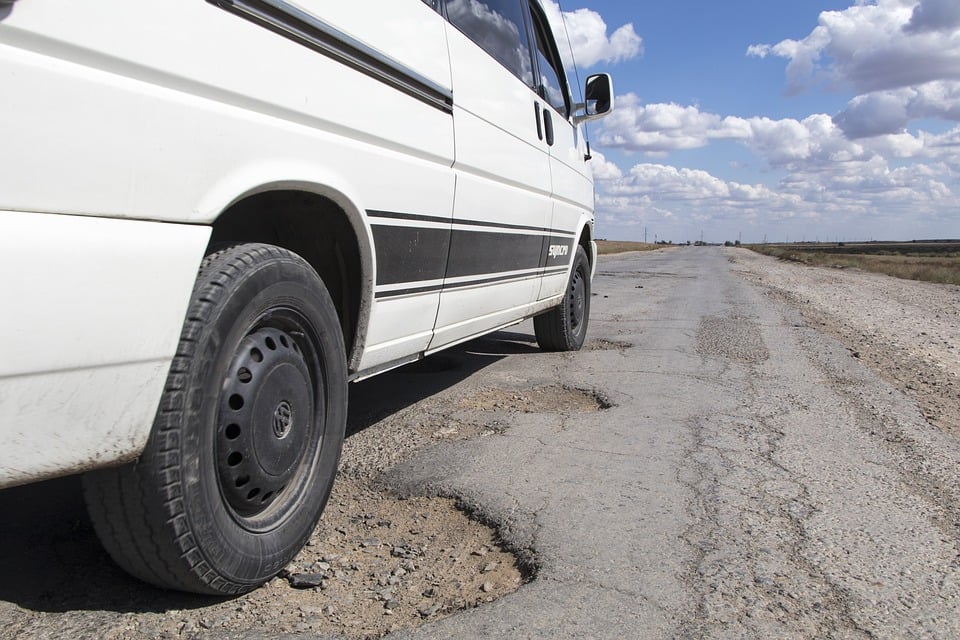
However, this once-efficient system gradually began to deteriorate. Years of underinvestment meant that critical infrastructure such as rail lines, locomotives and buses were not properly maintained or replaced. Mismanagement within key institutions weakened operational efficiency, while economic instability particularly during periods of hyperinflation eroded the capacity to sustain services. Corruption further compounded the problem, diverting resources away from necessary rehabilitation and modernisation efforts.
By the early 2000s, the decline had become evident. Train services became unreliable and in many cases, ceased altogether. Railway tracks fell into disrepair and ageing locomotives were no longer fit for purpose. What was once a symbol of national pride turned into a struggling and inefficient system, unable to meet the country’s transport needs.
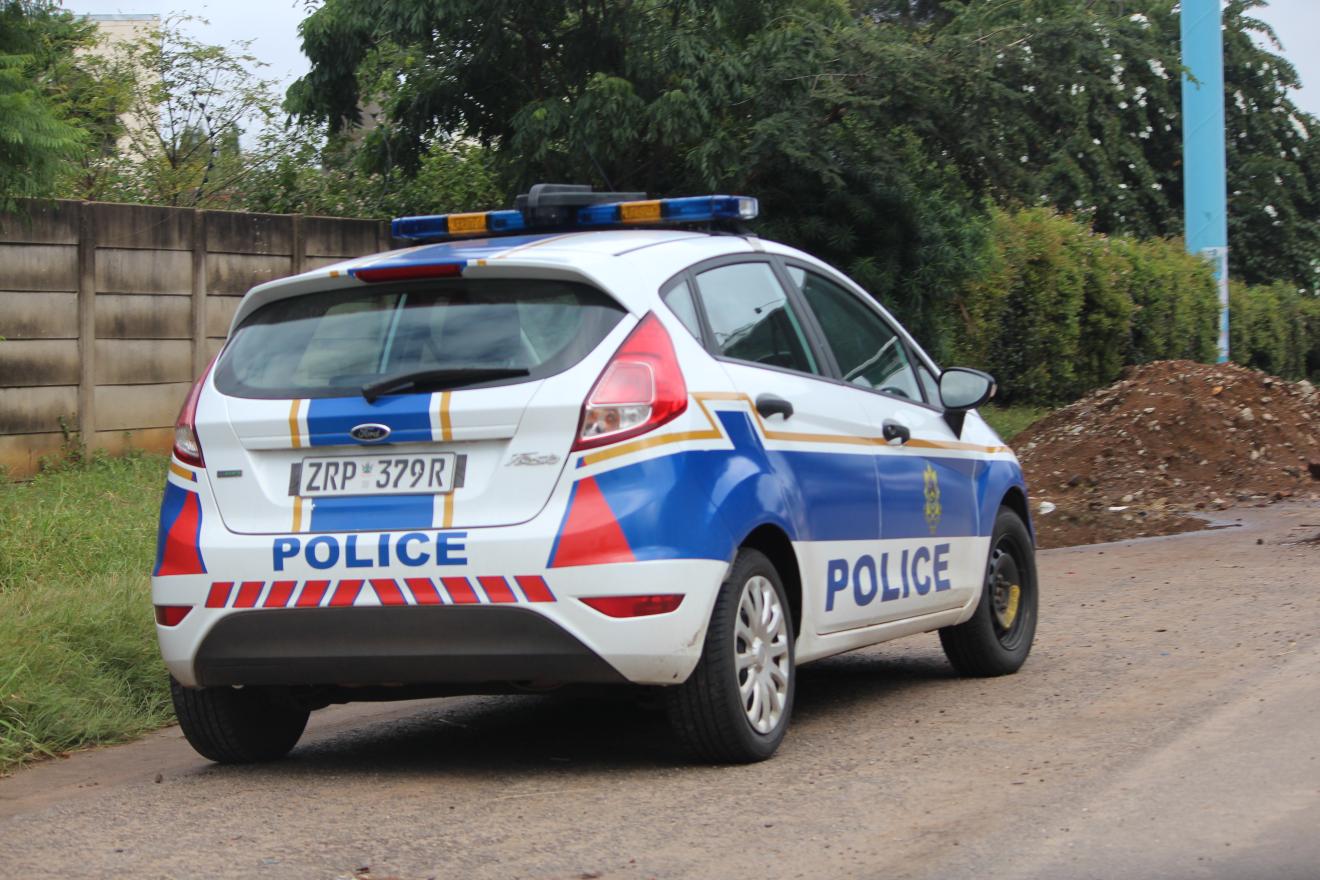
As formal systems collapsed, informal transport operators emerged to fill the gap. While they provided an essential service, the sector became largely unregulated, leading to today’s overcrowding, unsafe vehicles, inconsistent fares and a rise in road accidents. The absence of proper oversight created a chaotic environment, replacing the order and reliability that once defined Zimbabwe’s transport network.
The consequences of this decline have been significant. Industries have been forced to rely on costly road transport due to the failure of freight rail, reducing their competitiveness. Urban centres such as Harare and Bulawayo now face daily commuter challenges, with inadequate and unreliable transport options. Rural communities, once well connected, have become increasingly isolated, limiting access to markets, healthcare and education.
Despite these challenges, the revival of Zimbabwe’s transport system remains possible. It will require strong political will, transparent governance and strategic investment. Public-private partnerships is a solution and will play a key role in rebuilding infrastructure and improving service delivery. There is also a need for strict regulation of public transport operators and long-term planning to ensure sustainability.
The story of Zimbabwe’s transport system is of decline, but it is not beyond redemption. The foundations of a successful system still exist, rooted in the country’s history. What is needed now is a commitment to rebuild, restore and reimagine a transport network that can once again serve as a driver of economic growth and national unity.
Engineer Jacob Kudzayi Mutisi
+263772278161
Related
#Wrong #Zimbabwes #Proud #Transport #System #ZimEye