IGA Launches in Masvingo as PUP Pushes for National Unity
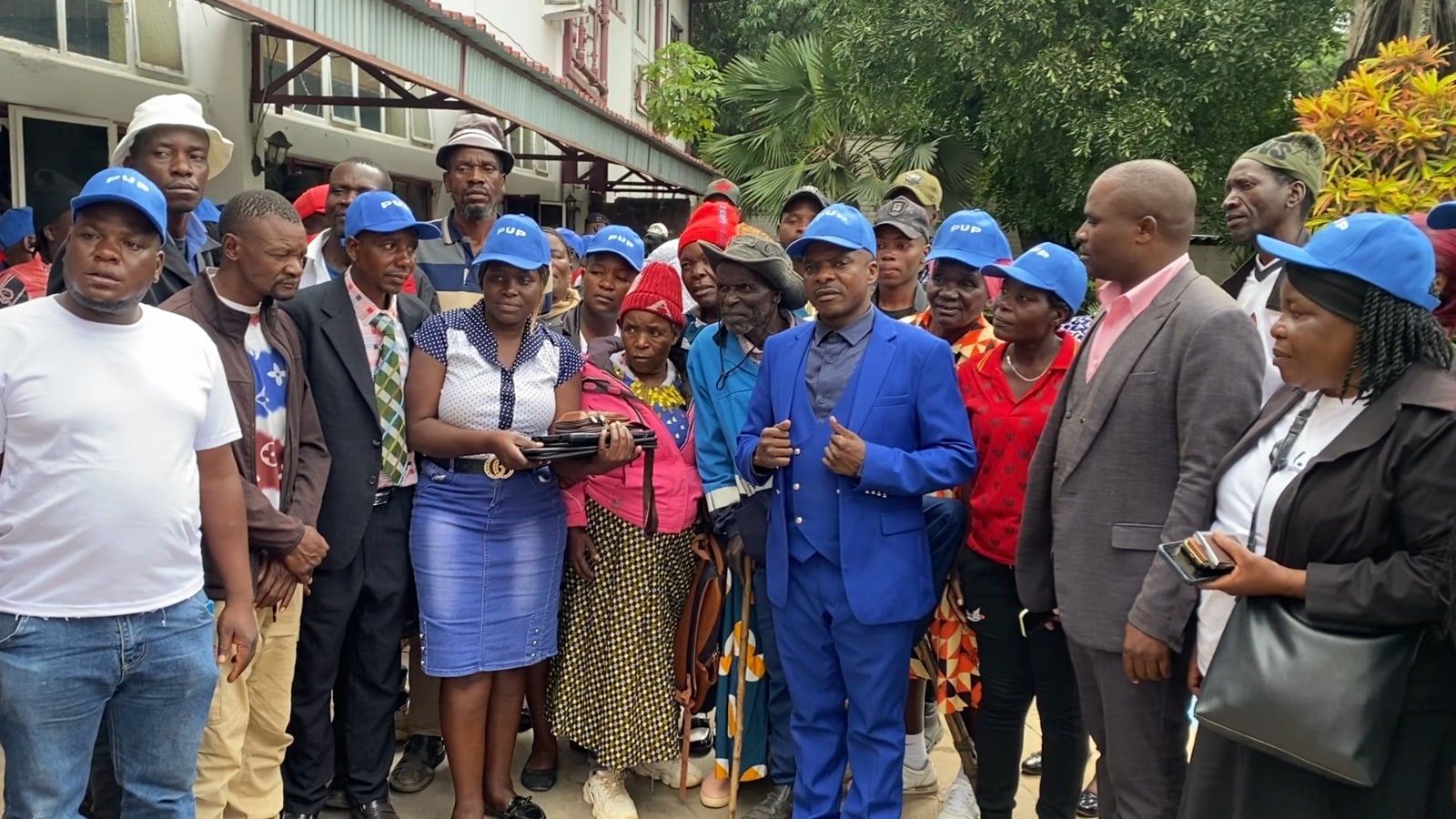
By Takudzwa Changadeya| The Inclusive Government Agenda (IGA) has been officially launched in Masvingo, marking another milestone in a growing national campaign spearheaded by the opposition People’s Unity Party (PUP) to bring Zimbabwe’s political leaders together under one inclusive governance framework.
Herbert Chamuka, president of the PUP and the principal sponsor and special committee adviser of the IGA, presided over the launch. Speaking on the sidelines of the event, Chamuka confirmed that the initiative would soon be taken to Gokwe and other remaining provinces across the country.

“We are going to Gokwe very soon, and we will not stop until every province in this country has heard this message. This is not about one party or one man. This is about Zimbabwe,” Chamuka told this publication in an exclusive interview.
At the heart of the IGA is a call for all political parties, churches, civil society organisations, human rights defenders, youth groups, and women’s organisations to work together towards national recovery, according to Chamuka.
Chamuka was candid about the state of the nation.
“This country can no longer afford political divisions. The people are suffering. It is not elections that will change their lives, it is focused, united effort towards the economy that will make a real difference,” he said.
He stressed the importance of unity between all political parties, including the ruling ZANU-PF, and other opposition movements led by opposition main political actors like Nelson Chamisa, Lovemore Madhuku and others.
The PUP leader noted that President Mnangagwa has shown a different leadership style from the late former President Robert Mugabe, adding that the current environment is less hostile to opposition supporters and that this creates a genuine opening for an inclusive government arrangement to succeed.
“We do not want to fight anyone,” Chamuka said exclusively.
“We want a Zimbabwe where every citizen feels included, no matter their political party. That is the only way this country moves forward.”
Organisers describe the IGA as a people driven movement meant to address the hardships ordinary citizens face daily and to push for collaborative governance that includes all stakeholders.
Chamuka also weighed in on the highly contested Constitutional Amendment Bill No. 3. Speaking exclusively to this publication, he said: “We support some of the principles of this bill. If elections are paused, this gives the country more time, time to focus on the betterment of Zimbabwe’s future and to work on the welfare of our general citizenry.”
The bill, officially known as H.B. 1 of 2026 and gazetted on 16 February 2026, proposes wide-ranging changes to Zimbabwe’s 2013 Constitution, including replacing the direct popular election of the president with election by a joint sitting of Parliament, and extending presidential and parliamentary terms from five to seven years.
Amnesty International has urged the Zimbabwean authorities to guarantee, without discrimination, the rights to freedom of expression and peaceful assembly throughout the public consultation process, noting past incidents of violence and suppression of dissenting voices.
Proponents of the bill argue that it represents a step towards poverty eradication, reduced marginalisation, and improved constitutional efficiency, promoting political inclusivity whilst laying the groundwork for long-term national stability.
Critics, however, see the proposed changes as a threat to democratic accountability.
The IGA’s message of national cooperation comes against a difficult economic backdrop.
According to the Zimbabwe National Statistics Agency (ZIMSTAT), the broader unemployment rate stood at 21.8% in the third quarter of 2024, with an estimated 80% of jobs existing in the informal sector, often low-paying, unstable, and without legal protections.
ZIMSTAT also recorded a poverty headcount rate of 57% as of 2019, a figure that underlines the depth of hardship facing millions of Zimbabweans.
The World Bank projects that whilst GDP growth may rebound to around 6% in 2025, it is expected to slow to 4.6% in 2026 and further to 3.5% in 2027, reflecting low confidence in macroeconomic stabilisation and persistent fiscal challenges.
It is precisely these numbers that Chamuka says drive his mission.
“People want jobs, food, and stable prices,” he said in the exclusive interview. “The only way we can achieve that is by putting our heads together and moving in one direction as Zimbabweans. We must stop fighting and start building.”
On 11 April 2026, the IGA committee is scheduled to hold a public meeting at Chitenderano Shopping Centre, where leaders will explain to residents how the Inclusive Government Agenda intends to place citizens at the centre of governance and national development.
“We want the people of this country to understand that the IGA is for them,” Chamuka said exclusively. “It is people-centred. Everything we are doing is for the ordinary Zimbabwean , not for politicians, not for parties.”
The IGA movement has not been without its obstacles.
An earlier launch rally planned for Harare in August 2025 was postponed after police declined to issue written clearance, with Chamuka explaining that without formal clearance, it would not have been safe to bring together political groups, churches, and other organisations under one roof.
The Masvingo launch, however, represents continued progress in rolling the initiative out province by province.
As the IGA spreads its message across Zimbabwe, Chamuka’s closing words in the exclusive interview captured the spirit of the movement plainly: “Unity does not mean surrendering your beliefs. It means working together for Zimbabwe’s progress. That is all we are asking.”
Related
#IGA #Launches #Masvingo #PUP #Pushes #National #Unity #ZimEye