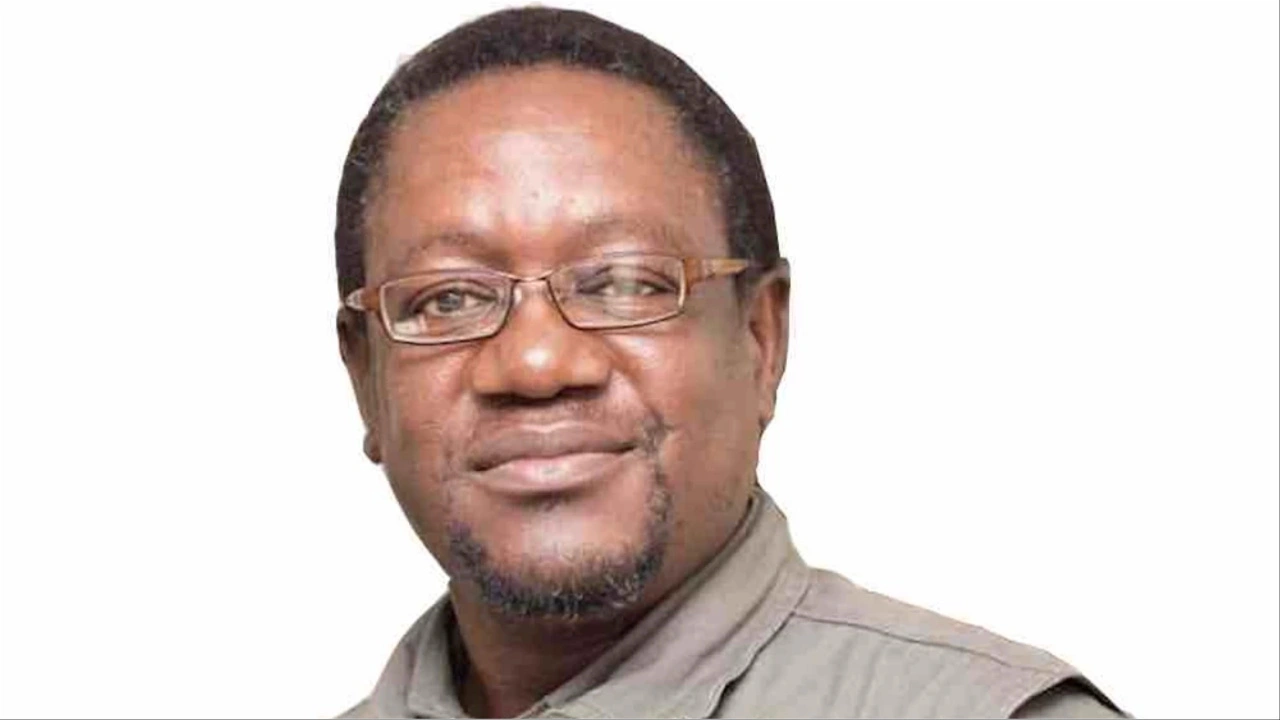
By A Correspondent-President Emmerson Mnangagwa has fired Central Intelligence Organisation (CIO) Director-General Fulton Mangwanya, replacing him with seasoned diplomat Paul Chikawa as Director-General in the President’s Department.
Chikawa, who previously served as Zimbabwe’s ambassador to Cuba and has held diplomatic postings in China, now assumes a critical role at the heart of the country’s intelligence establishment.
The shake-up comes as Mnangagwa continues to recalibrate key state institutions, particularly those linked to security and governance. Over the years, such changes have often been interpreted by political analysts as part of broader efforts to consolidate power within the executive.
In a related development, Mnangagwa has also restructured the Ministry of Lands, Agriculture, Fisheries, Water andRural Development, splitting it into two separate portfolios with immediate effect. The new entities are the Ministry of Lands and Rural Development, now headed by Honourable Vangelis Haritatos, and the Ministry of Agriculture, Mechanisation and Water Resources Development, led by Dr Anxious Masuka.
Additionally, Zimbabwe Human Rights Commission chairperson Jessie Majome has been reassigned to serve as a commissioner in the Public Service Commission.
The latest developments fit into a long-standing pattern in Mnangagwa’s political career, which stretches back to Zimbabwe’s independence in 1980. A liberation war veteran and long-time ally of former president Robert Mugabe, Mnangagwa has historically occupied strategic positions across the security, justice, and intelligence sectors.
During the early years of independence, he served as Minister of State Security, overseeing intelligence structures at a time when the government was consolidating control. His political trajectory has often been marked by his proximity to the military and security establishment, which has remained a key pillar of his influence.
Mnangagwa’s rise to the presidency in 2017 followed a dramatic fallout with Mugabe, culminating in a military-assisted transition that removed the long-time ruler from power. Since then, observers say Mnangagwa has continued to strategically position loyalists within critical institutions, while sidelining perceived rivals within both the ruling party and state apparatus.
While the government typically presents such changes as routine administrative adjustments aimed at improving efficiency, critics argue they reflect an enduring pattern of internal purges and realignments within Zimbabwe’s political and security landscape.
The latest appointments and reassignments take effect immediately.
Related
#CIO #Boss #Fired #ZimEye