South Africa’s Minister of Women, Youth and Persons with Disabilities Sindisiwe Chikunga has challenged young people across BRICS nations to take the lead in setting global standards for artificial intelligence governance, warning that the technology risks deepening inequality rather than advancing equity if left ungoverned by diverse voices.
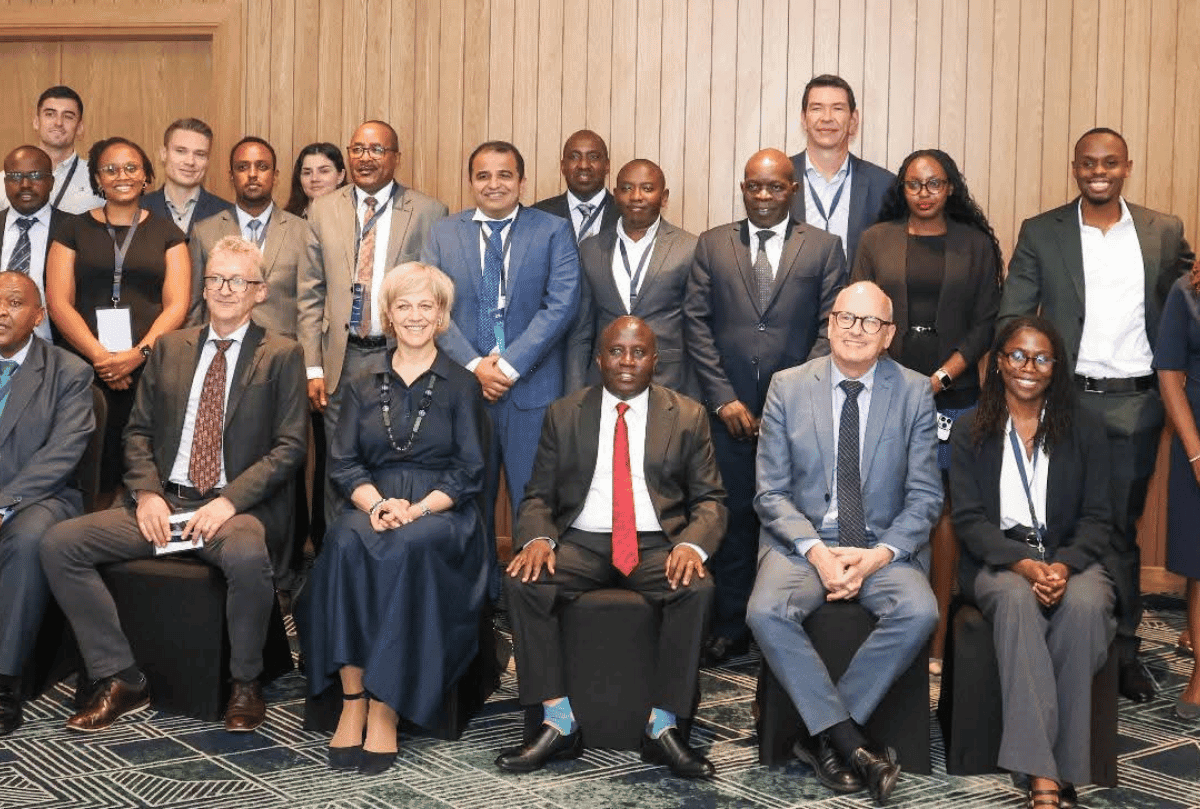
Delivering the keynote address at the fourth BRICS Youth Innovation Summit 2026 at Tshwane University of Technology, Chikunga positioned youth as central actors in shaping a more just global order. The summit, held under the theme “Youth-Led Innovation for Sustainable Development,” runs from April 8-10 and brings together young entrepreneurs, business leaders, investors and experts from BRICS-plus countries and the Global South.
“AI must work for people and their wellbeing — not the other way around,” Chikunga said. “This means insisting on African and BRICS participation in setting global AI governance standards. It means asking who owns the data, who benefits from the model, and who bears the cost when the model fails. Innovation in AI without democratic accountability is not progress. It is a new form of enclosure.”
Chikunga noted that the BRICS bloc now represents more than 45% of the world’s population and more than a third of global gross domestic product, and argued that its significance lies in asserting that global governance architecture must reflect contemporary realities rather than those of 1945. She pointed to the youthful demographics of BRICS nations as a defining strategic asset: the median age in India is 28, in South Africa 27 and in Ethiopia 19.
“The question is not whether these young populations will shape global markets, labour forces, and innovation ecosystems. The question is whether you will do so on terms that serve your own societies — or on terms dictated by others,” she said.
Chikunga outlined four priorities for BRICS youth: developing indigenous technological capacity and data governance frameworks to protect citizens from digital extraction; challenging orthodox economic models in favor of industrial strategy and redistributive development; approaching AI critically rather than uncritically embracing it; and strengthening people-to-people relations across member states through cultural exchange, academic mobility and shared intellectual production.
She also used the occasion to call for accountability on commitments made to youth at the 15th BRICS Summit in 2023. “The summit should serve as a space in which young people exercise their right to hold their governments to what was promised in their name — and to demand evidence that the commitment to youth leadership is being translated from declaration into young people’s lived realities,” she said.
Closing her address, Chikunga urged delegates to embrace agency in the face of global uncertainty. “The world you inherit is not the world that was promised. But you are not inheriting this world as passive recipients. You are here because you have chosen to act,” she said.
#South #African #Minister #Urges #BRICS #Youth #Shape #Governance #Challenge #Digital #Inequality