The Zambia Development Agency (ZDA) has signed a Letter of Intent (LoI) with Lucid Circuit to establish an Artificial Intelligence (AI) Special Economic Zone, a landmark project valued between US$150 million and US$300 million. The initiative is expected to position Zambia as a regional innovation hub and attract global investment in emerging technologies.
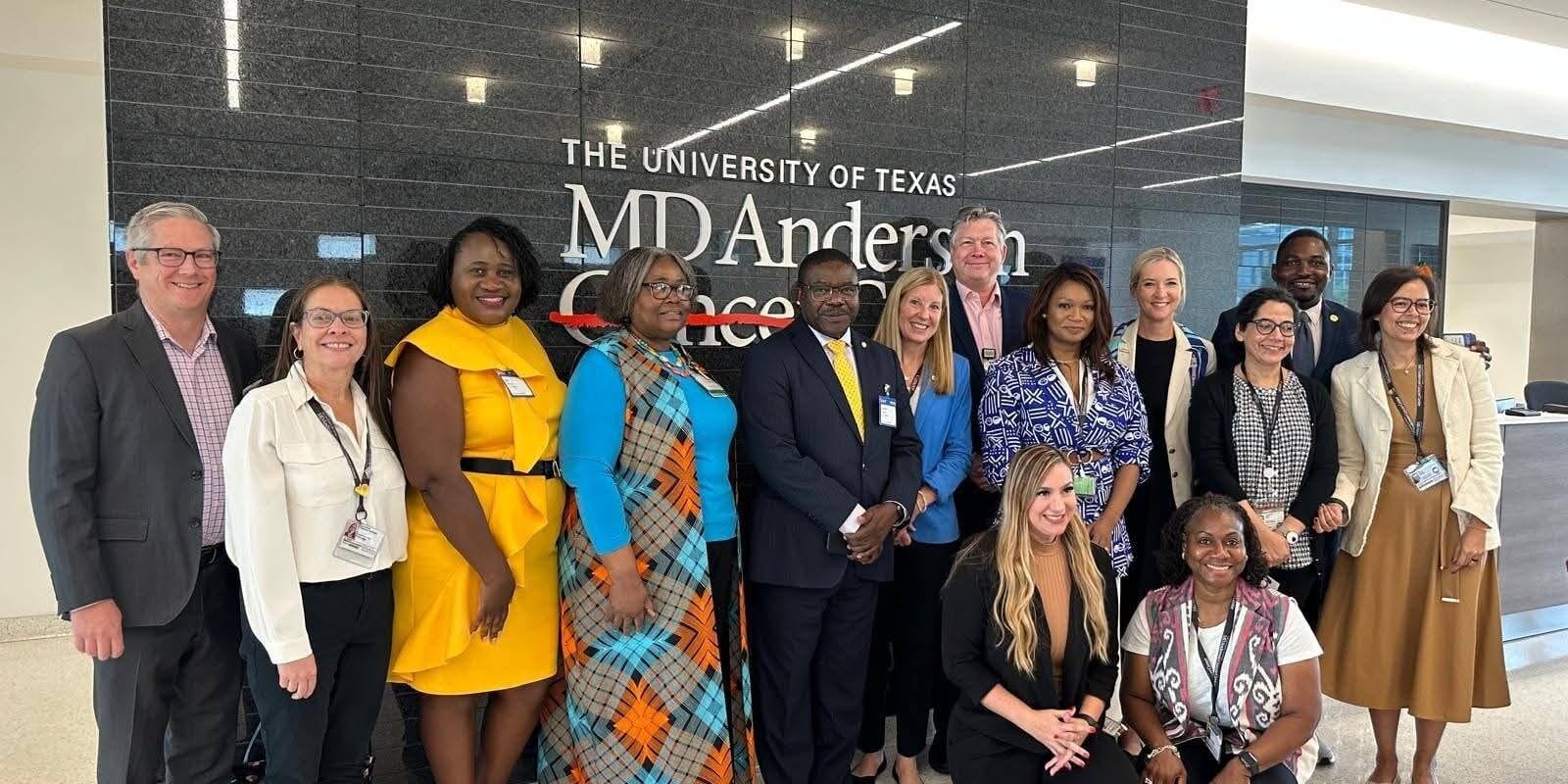
The agreement was formalized during the U.S.-Zambia Investment and Innovation Road Show 2025, held from September 5 to 18 across California, Georgia, and Texas. The event marked a key milestone in Zambia’s efforts to deepen economic diplomacy and showcase its growing potential as a destination for AI, technology, and sustainable investment.
Advancing Zambia’s Innovation Agenda
According to a statement issued in Lusaka, the forthcoming Memorandum of Understanding (MoU) between ZDA, Lucid Circuit, and its partners will operationalize the AI zone, paving the way for infrastructure development, research collaboration, and private sector participation.
ZDA Director General Albert Halwampa said the Roadshow had secured potential investments across multiple high-impact sectors, including critical minerals, agriculture, energy, and healthcare.
“The Roadshow secured potential investments in critical minerals, agriculture, energy, and healthcare, showcasing Zambia’s vast economic potential and attractiveness to investors,” Halwampa said.
He added that the creation of the AI Special Economic Zone aligns with Zambia’s broader goal to leverage digital transformation for industrial growth and job creation, reinforcing the country’s Vision 2030 ambitions to become a prosperous, middle-income economy.
Strengthening U.S.-Zambia Relations
The Roadshow also focused on expanding bilateral ties between Zambia and the United States, drawing interest from U.S. investors, universities, and innovation hubs.
“The delegation met with state officials, investors, and industry leaders, showcasing Zambia’s investment opportunities and potential for collaboration,” Halwampa noted.
He emphasized the strategic partnerships formed during the mission, which include collaborations with academic institutions such as Texas A&M University (supporting agricultural site assessments) and the MD Anderson Cancer Center (advancing health partnerships).
In addition, the ZDA is working toward finalizing the Austin Elements MoU to support mineral and energy sector initiatives, reflecting Zambia’s intent to integrate innovation across multiple value chains.
Harnessing Diaspora Capital
Halwampa also underscored the importance of engaging the Zambian diaspora as a key driver of foreign investment and innovation. He revealed that a proposal had been made to establish a Diaspora Investment Commission, along with a Diaspora Investment Registry and Desk Office, to channel remittances and entrepreneurship into national development.
“Institutional and private sector sponsors should be engaged early to secure support for future initiatives,” he said, calling for stronger collaboration with diaspora networks and third-party testimonials to amplify Zambia’s investment profile.
A Regional Hub for AI and Emerging Technology
The planned AI Special Economic Zone is expected to serve as a platform for research, innovation, and enterprise, providing infrastructure for AI model development, data analytics, and digital solutions across sectors such as agriculture, mining, education, and health.
If finalized, the project could make Zambia one of Africa’s first countries to establish a dedicated AI-focused innovation district, reinforcing its position as a continental leader in digital transformation and sustainable technology investment.
With this initiative, Zambia signals a bold intent to harness AI for inclusive growth, foster global partnerships, and future-proof its economy through innovation-driven development.
#Zambia #Signs #Letter #Intent #Establish #Million #Special #Economic #Zone