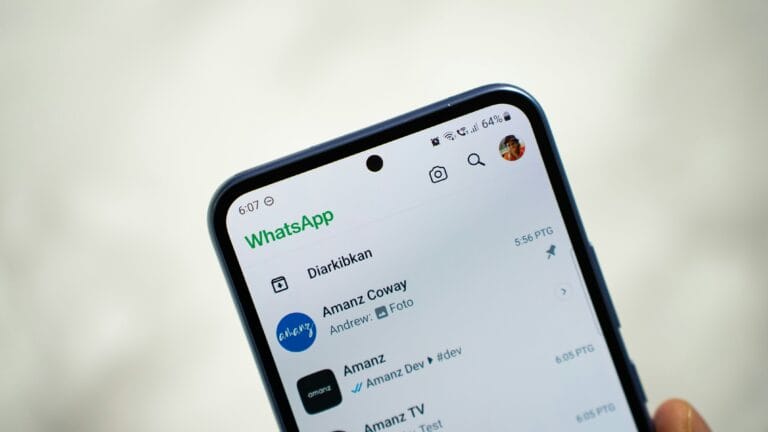
The first time many South Africans noticed ClawDBot was in familiar places: family WhatsApp groups, church chats or stokvel threads. A message would appear that felt too fast, too polished, too perfectly on brand. Someone would eventually reply, “Haha, is that ClawDBot again?”
Within weeks, the name was everywhere. Group administrators used it to moderate chats. Spaza shop owners relied on it to answer customer questions around the clock. Meme pages pushed out content at 3 a.m. without a human in sight.
ClawDBot is not an official Meta product, nor is it a standalone app. It is a privately developed artificial intelligence agent that connects directly to WhatsApp through unofficial application programming interfaces and automation tools. In practice, it functions as a sophisticated evolution of the old auto-reply bot, powered by a fine-tuned large language model that understands local slang, prices in rands and the cadence of South African group chats.
How ClawDBot Works
At its core, ClawDBot is a cloud-based script that monitors WhatsApp Web sessions. After a user grants access, typically by scanning a QR code on a secondary device or virtual machine, the bot can read incoming messages, generate replies, post content and perform basic actions such as sending prewritten templates or pulling prices from a linked spreadsheet.
Its functionality is built on three main layers. First is local context awareness, which allows the bot to read the previous 50 to 100 messages in a chat to stay on topic and match tone, whether formal for church groups or chaotic for meme chats. Second is custom training, with users feeding in South Africa specific data such as township pricing, amapiano slang, load shedding schedules, taxi ranks and political memes. Third are automation rules that allow the bot to post daily specials, moderate profanity or push job alerts into job seeker groups.
The name “Claw” reportedly comes from a claw-like cursor animation that appears when the bot is processing a response, a visual flourish that has since become a meme.
Why It Took Off in South Africa
Several factors converged in late 2025 to make ClawDBot take hold locally. WhatsApp penetration is extremely high, with more than 95 percent of South African smartphone users on the platform daily. For many, it is the default channel for personal, community and business communication.
Cost has also played a role. Maintaining a WhatsApp Business account with a human responder can be expensive. ClawDBot typically costs between $5 and $15 a month, depending on the provider, and operates continuously.
The informal economy has proven especially fertile ground. Spaza shops, hair salons, car guards and street vendors often use group chats as informal customer relationship tools. A bot that can answer a product query in the early hours of the morning can be more practical than traditional software.
Meme culture has further accelerated adoption. Content pages discovered they could generate dozens of posts a day without burnout, keeping engagement high.
By mid-January 2026, ClawDBot related WhatsApp and Telegram groups had grown to tens of thousands of members. YouTube tutorials in Zulu, Xhosa and English were drawing significant views, while local developers began building add-ons with features such as image generation and voice note replies.
Growing Concerns
As usage has spread, so have concerns. ClawDBot accounts have been used to flood groups with cryptocurrency promotions, fake job offers and phishing links. WhatsApp has started banning numbers associated with heavy automation.
Privacy has emerged as another risk. The bot requires full access to chats, and early versions reportedly stored messages in the cloud without encryption. This poses a serious threat in groups that share sensitive information.
There are also moderation challenges. Some community administrators have handed over control to ClawDBot, only to find it struggles with nuance such as sarcasm, cultural references or subtle conflict.
Job displacement is another point of tension. Small businesses that previously paid teenagers or family members to manage WhatsApp accounts are increasingly replacing them with bots.
Meta has not issued an official statement, but WhatsApp’s terms of service explicitly prohibit unauthorized automation. Some users report losing phone numbers within 48 hours of intensive use.
What Comes Next
ClawDBot is less a single product than a signal of what is possible. If Meta or a competitor launches an official, compliant version of group-based AI agents with proper moderation, privacy controls and monetization, it could reshape how South Africans manage community and business chats.
For now, ClawDBot exists in a gray zone. It is powerful, affordable, culturally fluent and increasingly controversial.
If someone in your WhatsApp group replies instantly with flawless grammar, it may be worth checking the typing indicator. You might just spot the claw.
#ClawDBot #Unofficial #South #Africas #WhatsApp #Groups