Economic groups have warned that the cost of living will rise in the coming months as the agricultural sector braces for the impact of fuel hikes.
Although 29 items in the household food basket recorded price decreases recently, experts caution that this trend may not hold as the economy adjusts to the effects of the ongoing conflict in the Middle East.
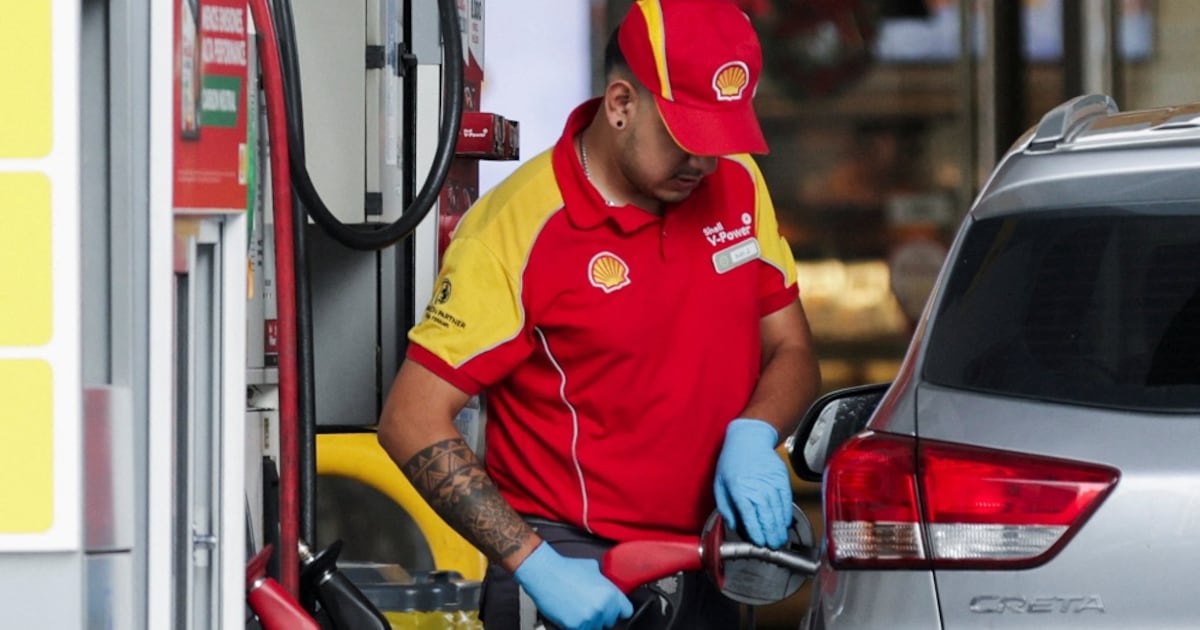
As of Wednesday, petrol increased by R3.06 per litre, while diesel rose sharply by between R7.37 and R7.51 per litre, adding further pressure on already strained household budgets. The price of electricity also went up by 8,76% for direct Eskom users.
Agricultural economist from the National Agriculture Marketing Council, Thabile Nkunjana, said the agricultural sector is also under pressure, particularly as it enters the winter planting season.
“We are entering a period where crops such as wheat are being planted, and the sector relies heavily on fuel-intensive machinery. Rising energy costs place pressure not only on consumers but across the entire value chain,” he said.
Nkonjalu added that concerns are also growing around fertiliser supply due to global geopolitical tensions.
“The current conflicts involve key supplier countries, and while the effects may not be immediate, prolonged disruptions could strain the agricultural sector in the coming months,” he said.
The Competition Commission of SA has already warned of the growing burden on low-income households, particularly as electricity prices continue to rise.
The commission’s latest Cost of Living (CoL) report found that electricity is the second-largest expense for low-income households after rent.
Economist Raksha Darji from the commission said that despite government interventions, the cost of living continues to rise.
“Electricity prices do place quite a high burden on households’ budgets. We find that electricity accounts for almost 5.5% of low-income households’ expenditure. And so this is a concern. This is what we are flagging. And in the short term, it is likely to continue this way, because as we see, the increases are coming through again,” she said.
While the commission noted mixed trends in food pricing, it highlighted that many staple foods remain expensive despite stable or falling production costs.
Items such as eggs, chicken, sunflower oil and maize meal continue to reflect high retail prices, meaning consumers are not benefiting from lower input costs.
Economist Andiswa Sibugwana said gaps between producer and retail prices remain wide in several staples, placing continued pressure on low-income households.
This trend is echoed in the March 2026 Household Affordability Index released by the Pietermaritzburg Economic Justice and Dignity group, which shows that households are still struggling to afford basic food despite slight price decreases.
The index, which tracks 44 food items across major cities, found that the average cost of a household food basket decreased by R55 month-on-month to R5,328.53 in March.
However, affordability remains a major concern. A worker earning the national minimum wage of R5,320.48 would spend more than half their income on transport and electricity, leaving just R2,378.63 for food and other needs.
“If all the remaining money (R2,378.63) went to buy food, then for a family of four, it would provide R594.66 per person per month. This is 30% below the National Food Poverty Line of R855 per person per month,” the index read.
Researcher Andrew Bennie from the Institute of Economic Justice said the effects of fuel increases on food prices are likely to be gradual rather than immediate.
“The rising fuel and fertiliser prices shouldn’t have a near-term impact on food prices. Most of the food currently on shelves was produced before these increases,” he said.
However, Bennie warned that higher fuel costs would feed into transport expenses, which in turn affect food consumption.
“With rising fuel and paraffin costs, transport fares increase. This has an impact on food consumption, especially for low-income households where budgets are already tight,” he said.
He added that households tend to prioritise essential costs such as transport and energy before food.
“Research shows households prioritise transport first, because it allows people to get to work or look for work. Then it’s energy costs, then debt servicing, and only after that, food. The more people spend on those first three, the less money they have available for food,” he said.
Sowetan
#Rising #fuel #power #costs #signal #pain #ahead