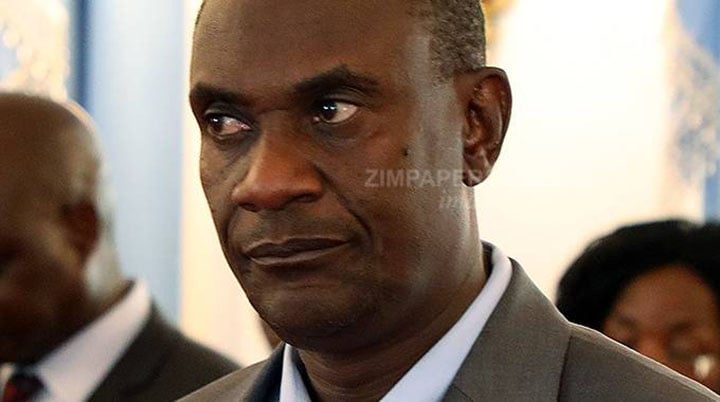
Owen Ncube Bombs Gokwe Residents With Dubious Promises
Tinashe Sambiri– A social media post by ZANU PF activist Cleopas Mukungunugwa praising a “development drive” led by Owen Ncube in Gokwe Kana has sparked criticism, with observers dismissing it as political propaganda masking deeper governance concerns.
In the Facebook post shared on Wednesday, Mukungunugwa painted an overwhelmingly positive picture of Ncube’s visit, describing it as a “full day of engagements” focused on development and community upliftment.
However, critics argue the narrative appears carefully crafted to glorify political figures while ignoring the realities on the ground.
The post claims Ncube addressed party supporters and commended them for maintaining peace during consultations on Constitutional Amendment Bill No. 3, which reportedly paves the way for Emmerson Dambudzo Mnangagwa to remain in power until 2030.
“The Bill, now endorsed, allows President Emmerson Dambudzo Mnangagwa to lead until 2030, a move supporters say will ensure continuity and stability for ongoing national development projects,” Mukungunugwa wrote.
Yet critics say such messaging raises concerns about the politicisation of constitutional processes, with allegations that “consultations” are being used to rubber-stamp controversial changes rather than genuinely reflect public opinion.
The activist also highlighted the donation of 70 cattle ahead of Independence celebrations, presenting it as a gesture of unity and food security.
However, some observers view such donations as vote-buying tactics disguised as philanthropy.
“Honourable Owen Ncube donated 70 cattle to Gokwe Kana Constituency,” the post reads, adding that the move would “boost community participation” and “strengthen unity.”
Questions have also been raised about the sustainability and transparency of several projects mentioned, including borehole installations, classroom construction, and ICT donations.
While these initiatives were described as transformative, critics argue there is little independent verification of their completion or long-term impact.
“Every ward now has access to clean, safe drinking water,” the post claims, while also stating that classroom blocks are “90% done” and that connectivity projects are “50% complete” — figures some say highlight unfinished work being prematurely celebrated.
The post further asserts that laptops, Starlink kits, and network boosters are being rolled out to bridge the digital divide, but sceptics argue that such announcements are often repeated with limited follow-through in rural areas.
“Improved mobile and internet coverage will support schools, clinics, businesses, and emergency services,” Mukungunugwa wrote, a claim critics say has yet to materialise in many underserved communities.
Promises around electrification and irrigation schemes have also been met with doubt, with some pointing to a pattern of ambitious pledges that fail to meet deadlines.
“By 2026, all schools and clinics in Gokwe Kana Constituency will be connected to electricity,” the post claims — a timeline that critics argue may be overly optimistic given past delays in similar projects.
While the post concludes that “no one and no place is left behind,” detractors argue the message reflects a growing trend of political self-promotion, where grand claims of development are amplified online even as many communities continue to face persistent challenges.
Related
#Owen #Ncube #Bombs #Gokwe #Residents #Dubious #Promises #ZimEye