Gukurahundi Was A Zanu PF Genocide Not Shona Supremacist Agenda
By Wilbert Mukori-The debate over the true nature and legacy of Gukurahundi continues to shape Zimbabwe’s political and social discourse decades later. For some, the atrocities of the 1980s reflect an enduring ethnic injustice; for others, they are rooted primarily in political consolidation rather than tribal supremacy.
Writing on X, Siphosami Malunga recently argued that the ethos which drove Zanu PF during Gukurahundi persists today, describing it as reflective of a broader exclusionary agenda. He questioned how other communities would react if national narratives were dominated by a single ethnic voice, suggesting that Zimbabwe remains far from being an inclusive society that respects ethnic diversity.
Such perspectives resonate with many who believe the wounds of Gukurahundi remain open. However, conflating Zanu PF with the broader Shona ethnic group risks oversimplifying a complex historical and political reality.
While it is undeniable that Gukurahundi disproportionately affected Ndebele-speaking communities, attributing the violence to a “Shona supremacist agenda” may obscure the central role of political power struggles. The campaign unfolded in a context where Zanu PF sought to neutralise PF ZAPU, its main political rival at the time, and consolidate a de facto one-party state.
Importantly, the consequences of that consolidation have not benefited ordinary Zimbabweans—Shona or Ndebele alike. Zimbabwe’s prolonged economic decline, governance challenges, and political instability point instead to the broader failures of authoritarian rule. The idea that any ethnic group collectively benefited from this system does not withstand scrutiny.
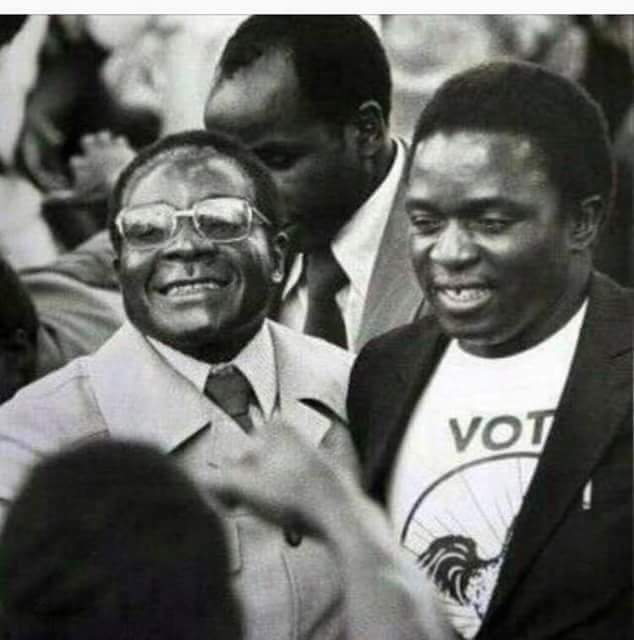
Historical accounts, including statements attributed to the late Joshua Nkomo, suggest that Gukurahundi should be understood within the framework of political domination rather than ethnic conflict. The eventual signing of the 1987 Unity Accord, which merged PF ZAPU into Zanu PF, marked the culmination of that process.
This distinction matters. Mischaracterising Gukurahundi as purely ethnic risks fuelling division and potentially igniting new tensions. Zimbabwe’s fragile social fabric demands careful, evidence-based engagement with its past—one that acknowledges victims’ experiences without promoting collective blame.
At the same time, it is equally important to recognise the scale and gravity of the atrocities. Gukurahundi cannot be dismissed as merely “a moment of madness.” It represents a dark chapter marked by serious human rights violations, driven by political ambition and a disregard for human life.
The failure to hold perpetrators accountable has had lasting consequences. Zimbabwe continues to grapple with governance challenges rooted in a culture of impunity that dates back to that period. The nation’s current political and economic struggles cannot be divorced from this unresolved history.
As Zimbabwe reflects on its past, the central question remains: has the country learned from Gukurahundi? There are growing concerns that it has not. Without accountability, institutional reform, and a commitment to national unity, the risk of repeating past mistakes persists.
The challenge, therefore, is to confront history honestly while avoiding narratives that deepen division. Zimbabwe’s future depends on its ability to balance truth, justice, and reconciliation in a way that unites rather than fractures its people.
Disclaimer:
The views expressed in this article are those of Wilbert Mukori, writing in his personal capacity, and do not necessarily reflect the editorial position of ZimEye.
Related
#Gukurahundi #Zanu #Genocide #Shona #Supremacist #Agenda #ZimEye