Anti-2030 War Veterans Attack Chamisa, Fume Over ‘Failed Mobilisation’
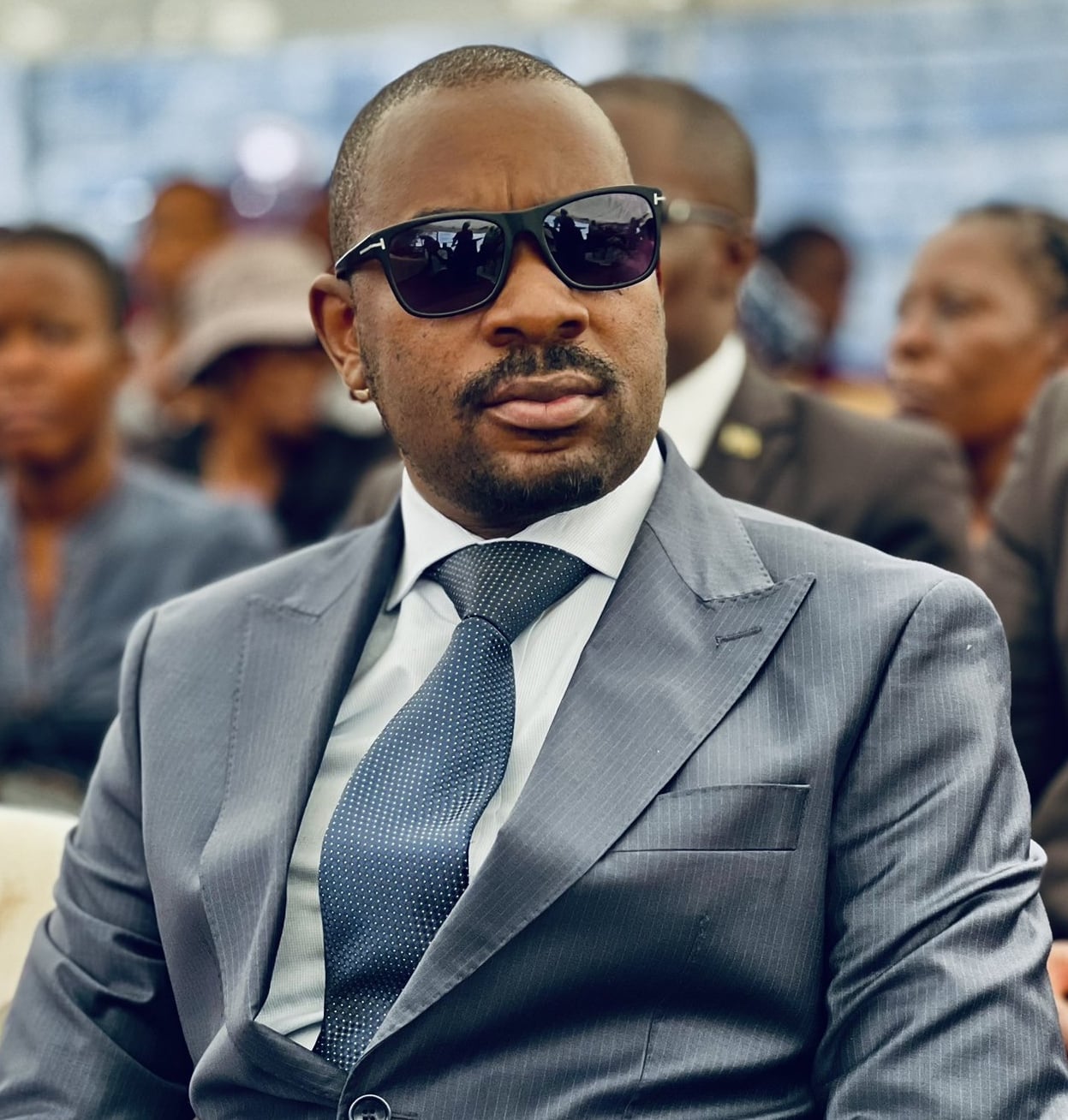
By A Correspondent| A faction of war veterans opposed to the 2030 agenda has launched a scathing attack on opposition figure Nelson Chamisa, accusing him of failing to mobilise meaningful numbers for planned protests, leaving them stranded and uncertain on how to drive the demonstrations forward.
Highly placed sources within the grouping said the ex-combatants, who have struggled to galvanise support within ZANU PF itself, had pinned their hopes on Chamisa to provide political momentum and public legitimacy to their campaign.
However, insiders claim those expectations were left in tatters after Chamisa reportedly declined to be drawn into what he viewed as factional manoeuvring.
“They had overestimated their reach,” a source familiar with the developments said. “There was an assumption that bringing in Chamisa would lend credibility and numbers to their cause, but he refused to be used as a pawn in internal Zanu PF issues. That refusal effectively left them exposed.”
Another source added that attempts to build a broad-based front had faltered due to lack of cohesion and suspicion among the factions involved.
“They simply could not build consensus even within their own ranks. The expectation that Chamisa would rescue their mobilisation efforts was misplaced from the outset,” the source said.
The growing frustration has now spilled into the open, with one of the group’s leaders, Winstone Sigauke Mapuranga, launching a scathing and unusually candid attack on Chamisa, questioning his silence on the contentious Constitutional Amendment Bill No. 3.
“I am a soldier. I deal in facts, in patterns, and in the kind of institutional pattern analysis that a lifetime of military intelligence work teaches you to apply when something does not add up.
Something does not add up.
And I will not pretend otherwise simply because saying so makes powerful people uncomfortable,” Mapuranga said.
He went further, invoking Chamisa’s political standing and the expectations that come with it.
“Nelson Chamisa is the most recognisable opposition figure in Zimbabwe. He is a man who built his entire political identity on the promise of democratic resistance on the proposition that he and his movement stood between the Zimbabwean people and the permanent entrenchment of one-party political dominance.”
Mapuranga described Constitutional Amendment Bill No. 3 as a defining national moment, adding that Chamisa’s muted stance was both conspicuous and troubling.
“This is precisely the kind of moment that Nelson Chamisa’s entire political career was supposedly building toward. This is the hill that the opposition was always supposed to die on — loudly, visibly, and with the full mobilisation of every democratic resource at its disposal.
“Where is Nelson Chamisa?
Not a major speech. Not a sustained public campaign. Not the kind of front-line democratic resistance that CAB3 demands and that Chamisa’s own political biography would lead every reasonable observer to expect.
Silence. Measured, conspicuous, and to those of us who study political behaviour for a living — deeply, troublingly meaningful silence.”
Drawing on his military background, Mapuranga framed the situation in analytical terms.
“In military intelligence we have a term for the absence of expected activity in a known operational area.
We call it a tactical withdrawal. And tactical withdrawals do not happen without a reason.
“When an actor who has consistently and loudly occupied a political space suddenly vacates that space precisely when the stakes in that space are at their highest, the intelligence analyst’s first question is never ‘perhaps they simply changed their mind.’ The first question is: what changed?”
He added:
“What changed for Nelson Chamisa between his years of loud, sustained, front-line democratic resistance and his current studied silence on the most important constitutional question Zimbabwe has faced in a generation?
“I am not a court of law. I am not a prosecutor. I am not in a position to answer that question definitively and I will not pretend otherwise.
But I am a Zimbabwean soldier who swore an oath to this republic. And that oath requires me to ask the question publicly — loudly, on the record, and without apology.
What changed, Mr. Chamisa? What silenced you?”
Mapuranga also made explosive, though unverified, allegations regarding financial inducements in the political arena.
“The CAB3 process is happening within that environment. And within that environment, questions about who is being resourced to do what and who is being resourced to do nothing are not paranoid conspiracy theorising.
They are legitimate, necessary, urgent questions of democratic accountability.
“I am aware that documents are circulating. I am aware that allegations are being made in various quarters about the financial dimensions of certain political actors’ behaviour around CAB3. Today I am in a position to verify those documents or those allegations independently.
But I am in a position — and I feel the obligation — to say this:
“A huge corruption deal has caused democratic backsliding in Zimbabwe which is aiding CAB3. This was achieved by bribing of a top opposition leader Nero Chamisa who recieved a staggering amount to the tune of 5million dolars and necessitated /laundered by one of the top law firms in Zimbabwe.
“Not speaking about the US$20 million that Nelson Chamisa pocketed as a pay off to go on a forced sabatical and move go mute on active politics until 2030.
The ‘Gods’ have favoured mukomana apart from the $20million.”
Despite the incendiary claims, political observers caution that the war veterans’ outburst reflects, in part, their own strategic miscalculations and dwindling influence.
“The reality is that they failed to mobilise both internally and externally,” another source said. “Blaming Chamisa now is an attempt to deflect from that failure.”
Related
#Anti2030 #War #Veterans #Attack #Chamisa #Fume #Failed #Mobilisation #ZimEye