Chinese Miner Shoots Worker
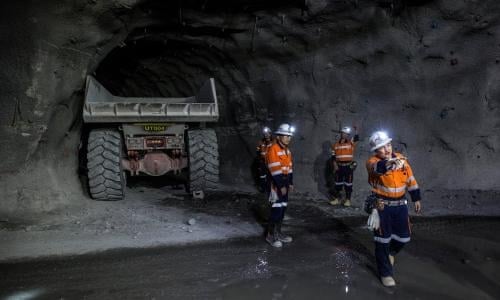
By A Correspondent-A Chinese-linked mining operation in eastern Zimbabwe has come under renewed scrutiny following the shooting of an unarmed artisanal miner, in what rights groups say reflects a broader pattern of violence, labour abuse, and political protection in the country’s extractive sector.
The incident occurred on April 12 at Sino Africa Huijin Mine in Old Mutare, where an unarmed miner was shot and seriously injured after allegedly failing to pay extortion fees demanded by security guards.
According to the Centre for Natural Resource Governance (CNRG), preliminary findings suggest the victim was shot from behind while attempting to flee, raising serious concerns about the use of excessive force against civilians.
The organisation alleges that the mine, operated by a Chinese syndicate, has been functioning illegally after its permit expired and was not renewed, yet continues operations under the protection of powerful political connections.
Systemic Abuse and Extortion
Investigations by CNRG point to a deeply entrenched system of exploitation at the mine. Artisanal miners are reportedly forced to pay bribes—sometimes as little as US$10 for access to ore, but in some cases as much as US$2,000—to security personnel in order to operate.
Those who fail to comply are allegedly subjected to violence, including beatings, stoning, and, in extreme cases, gunfire.
Community members have also accused security guards of targeting local youth, manipulating access to mining areas, and engaging in theft themselves, further deepening tensions between local communities and foreign-controlled mining operations.
Police spokesperson Wiseman Chinyoka confirmed the shooting but said the miner was injured in what authorities described as an act of self-defence after warning shots were fired to disperse a group of “invaders.”
However, rights groups have rejected this account, arguing that shooting an unarmed person from behind cannot be justified as self-defence and points to a culture of impunity.
A Pattern of Violence
The latest shooting is not an isolated incident. According to CNRG, at least three shooting cases have been recorded at the same mine over the past five years.
In April 2025, an artisanal miner, Alfred Dodzo, was fatally shot under what were widely described as excessive circumstances. In January the same year, a worker, Taurai Dozva, died under unclear conditions while on duty.
Beyond this mine, similar incidents involving Chinese nationals have been reported across Zimbabwe’s mining sector. In Filabusi, a 20-year-old miner, Mthahandazo Sibanda, was shot by a Chinese national, while another fatal shooting in Mutoko sparked national outrage.
These cases have reinforced long-standing concerns about labour abuses, violence, and lack of accountability in foreign-run mining operations.
Political Protection and Securocratic Control
Critics argue that such incidents persist because of political protection from the ruling ZANU PF, which has historically maintained close ties with foreign investors, particularly in the mining sector.
Under Emmerson Mnangagwa’s administration, Zimbabwe has aggressively pursued foreign investment, especially from China, under the “open for business” policy.
However, observers say this has often come at the cost of labour rights and community safety, with security forces and private guards operating with little oversight in mineral-rich areas.
The situation echoes past abuses in Marange diamond fields, where state-backed security operations resulted in widespread violence against artisanal miners, including reports of fatal shootings.
A Governance Crisis
CNRG has described the latest incident as evidence of a deeper governance crisis, where private security forces and, at times, state actors operate above the law.
“The continued use of live ammunition against civilians reflects a systemic failure to uphold human rights,” the organisation said.
The watchdog is now calling for an independent investigation, accountability for perpetrators, and reforms in how mining operations are regulated, particularly in relation to the use of force.
Human Cost of Mineral Wealth
For communities living around these mining areas, the consequences are immediate and devastating.
What should be a source of national wealth has instead become a site of violence, exploitation, and fear.
As Zimbabwe continues to rely on mineral exports, questions remain about who truly benefits—and at what cost.
Related
#Chinese #Miner #Shoots #Worker #ZimEye