Park Your Motor Vehicles If Fuel Is Expensive, Mthuli Ncube Tells Suffering Citizens
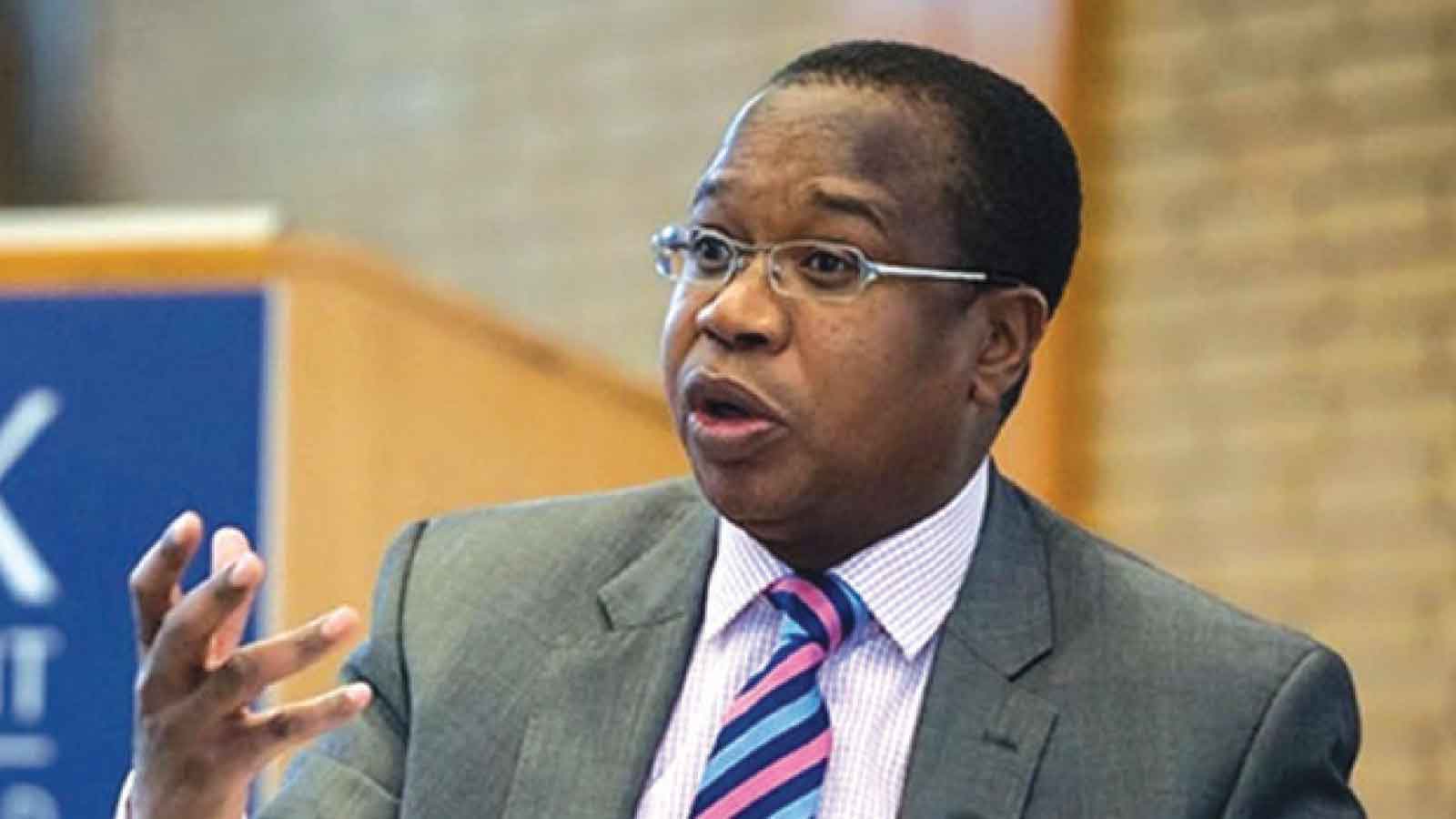
Tinashe Sambiri– Finance Minister Mthuli Ncube has come under fire after urging Zimbabweans to reduce vehicle use and “park their cars” if fuel costs are too high, even as global oil prices continue to decline.
The remarks were made during his attendance at the World Bank and IMF Spring Meetings in Washington, where he defended the government’s economic strategy amid rising pressure over fuel pricing at home.
Ncube warned that international tensions, particularly in the Middle East, could continue to affect fuel prices and household budgets, urging citizens to adopt more conservative consumption habits.
“Motorists should cut back on unnecessary travel and use fuel more efficiently,” he said, adding that Zimbabwe’s economic growth projections remain on track despite global volatility.
He also maintained that inflation would remain contained even if diesel prices rise further, with projections suggesting possible increases to around US$2.50 per litre.
However, critics argue that global oil markets tell a different story. Brent crude has reportedly fallen in recent days, trading well below the levels that triggered Zimbabwe’s most recent fuel price adjustments.
Market data shows oil prices have eased significantly following improved geopolitical conditions, raising questions about why domestic fuel prices have not followed the same downward trend.
In Zimbabwe, motorists are currently paying about US$2.23 per litre of petrol, with a substantial portion attributed to taxes, while diesel is priced at around US$2.11 per litre.
Government officials have previously defended the pricing model, arguing that it helps stabilise supply and cushions the economy from external shocks. However, critics say the system delays price reductions even when global costs fall.
Opposition voices and economic commentators argue that consumers are effectively being asked to absorb high costs without corresponding adjustments when international prices drop.
“Instead of adjusting pricing mechanisms, citizens are being told to simply reduce usage,” one critic noted, reflecting growing public frustration over fuel affordability.
Fuel remains a critical cost driver across the economy, affecting transport, food prices, small businesses, and households that rely on generators during power shortages.
Economists warn that sustained high fuel costs continue to place pressure on lower-income earners, who have limited ability to “rationalise” consumption as suggested by policymakers.
As global oil prices trend downward, questions continue to mount over the timing and structure of Zimbabwe’s fuel pricing system, with calls for greater transparency and faster pass-through of international price changes to local consumers.
Related
#Park #Motor #Vehicles #Fuel #Expensive #Mthuli #Ncube #Tells #Suffering #Citizens #ZimEye