By Kudzayi Mutisi– Wicknell Chivayo has ignited a political firestorm after announcing plans to distribute US$3.6 million to Zimbabwe’s legislators—an amount that would see each of the country’s 360 Members of Parliament and Senators receive US$10,000.
Chivayo says the money is intended for constituency development. But across the country, the announcement has been met with deep suspicion, with critics arguing that the gesture bears the hallmarks not of philanthropy, but of influence-buying at the highest level of the State.
For years, Chivayo has been perceived as operating at the centre of political power, enjoying close ties to President Emmerson Mnangagwa. He has built a reputation for lavish spending—distributing vehicles, cash, and gifts to politicians, public figures, and celebrities. To many observers, this latest move signals an escalation: from cultivating influence around power to potentially embedding it within the legislature itself.
The implications are profound.
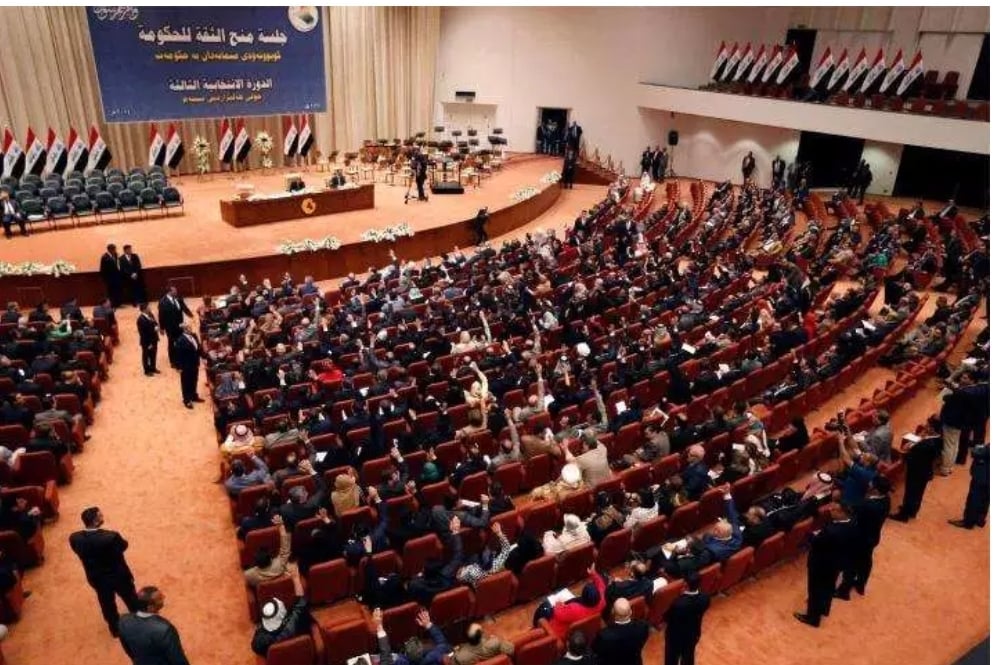
Parliament is constitutionally mandated to provide oversight—scrutinising government expenditure, probing corruption, and holding the Executive to account. MPs and Senators are expected to interrogate public contracts, question ministers, and demand transparency. Yet those same lawmakers are now being offered money by a businessman whose own financial dealings have long attracted public scrutiny.
The conflict is stark. If Parliament were to investigate a contract linked to Chivayo, would legislators act independently after accepting his funds? Would they challenge ministers tied to deals in which he has an interest—or temper their oversight in light of personal benefit?
This is what makes the controversy so consequential. It is not merely about money—it is about institutional integrity.
Zimbabwe already has a formal mechanism for local development through the Constituency Development Fund (CDF), a publicly accountable system financed through the national budget. If constituencies require resources for infrastructure such as clinics, boreholes, or roads, these are meant to be provided transparently through government allocations—not through private disbursements from politically connected individuals.
The timing of the announcement has further sharpened criticism. Chivayo framed the gesture as an Independence Day gift. Yet the symbolism has not been lost on many Zimbabweans: independence was meant to safeguard national sovereignty and democratic accountability—not to create conditions in which elected representatives appear beholden to private wealth.
The development raises urgent and unresolved questions.
What is the source of the US$3.6 million? Were proper taxes paid? What active or pending business interests does Chivayo hold with the State? Are there contracts, tenders, or policy decisions that could be influenced—directly or indirectly—by such a transfer of funds?
Equally pressing is the question of motive. In any political economy, large financial outlays directed at decision-makers rarely come without expectations.
Should MPs and Senators accept the money, they risk eroding public trust in the legislature. Their independence—both real and perceived—would be called into question. Every parliamentary debate, vote, or silence could be interpreted through the prism of personal benefit.
This moment, therefore, extends beyond one individual. It is a test of Zimbabwe’s institutional resilience—whether its democratic structures can withstand the pressures of wealth and patronage.
If Parliament proceeds to accept the funds, it may reinforce a growing perception among citizens that governance is no longer anchored in accountability, but shaped by proximity to power and access to resources.
And if that perception hardens, the US$3.6 million controversy may come to be seen not just as a scandal—but as a defining moment in the erosion of parliamentary independence in Zimbabwe.
Related
#Chivayo #Grabs #Parliament #ZimEye