Author: T.Titus
-
Introduction to Meteor.js Development Coursera Quiz Answers

Introduction to Meteor.js Development Coursera Quiz Answers
-
Why did Islam spread so rapidly within Tropical Africa during the last quarter of the 19th century?
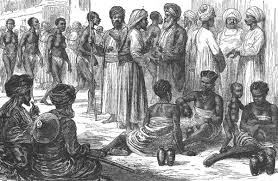
An analysis of the reasons why Islam appealed to Africans is expected, as is some understanding of the geographical, political, economic and cultural framework forming the necessary preconditions for Islam’s rapid expansion. The spread of Islam in several areas should be considered.
-
Pacific – A Level Physics – Kinematics

Pacific – A Level Physics – Kinematics pdf download
-
Systems Thinking In Public Health Coursera Quiz Answers
Systems Thinking In Public Health Coursera Quiz Answers
-
Number bases
Number bases: Natural numbers are we use to count. When people group numbers in fives (5) we say they are using base 5
-
The relationship between Old and New Testament
The Old Testament and the New Testament are the two main divisions of the Christian Bible.
-
Reasons for the abolition of slave trade
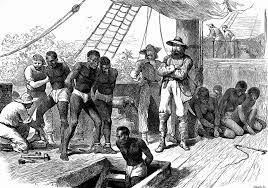
Reasons for the abolition of slave trade
-
The forest was the only source for the hunter gatherers in livelihood. Do you agree?

To a greater extent it was the source they hunted game meat which they obtain from forest, they gathered fruits and edible roots to supplement their diet
-
Tsumo
Tsumo. Tsumo dzese dzechishona list
-
Did you know? There are 336 dimples on a regulation golf ball

The number of dimples on a golf ball is not regulated by the USGA, but most golf balls have between 300 and 500 dimples. The number of dimples and their shape affect the way the ball travels through the air, so manufacturers experiment with different configurations to find the best combination for distance and control.…